
Shipping Methods
Top 3 Cost-Effective Shipping Methods for Packaging
1. Sea Shipping (Door-to-Door with Taxes Included)
Ideal for non-urgent, low-value goods. Most customers prefer this method due to its affordability. Shipments to the U.S. take ~30 days, making it perfect for bulk orders with flexible timelines. Plan procurement in advance to accommodate transit delays.
2. Air Freight (Door-to-Door with Taxes Included)
A cost-efficient emergency solution for time-sensitive needs, like promotional custom packaging (e.g., paper boxes). Faster than sea (5-10 days) and cheaper than express couriers. Balances speed and budget for urgent restocks.
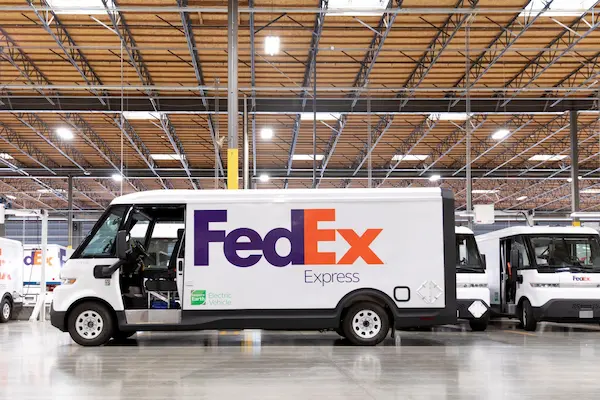
3. Express Courier (3-5 Days)
Best for samples or urgent small shipments. Major providers (DHL, FedEx) ensure rapid delivery but at a higher cost. Use this for prototypes or last-minute orders requiring immediate customer approval.
Common Shipping Solutions
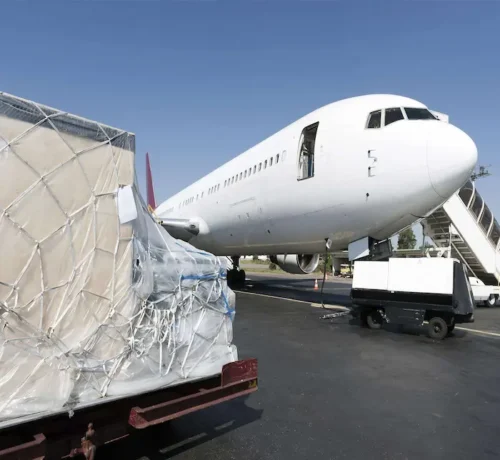
Air Freight
- Express(DHL/FedEx/Ups/TNT/DPD)
- Air Shipping door to door included Tax
- Postal Parcel (EMS)

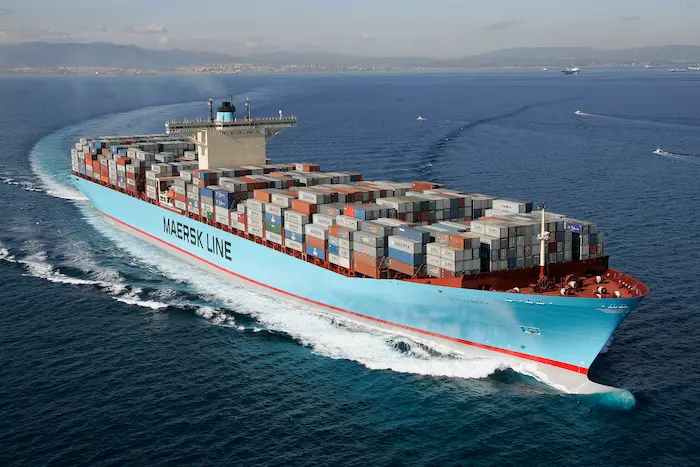
Sea Shipping
- Door-to-Door included tax,
- Door-to-Port, Tax not included
- FCL (Full Container Load)
- LCL (Less than Container)
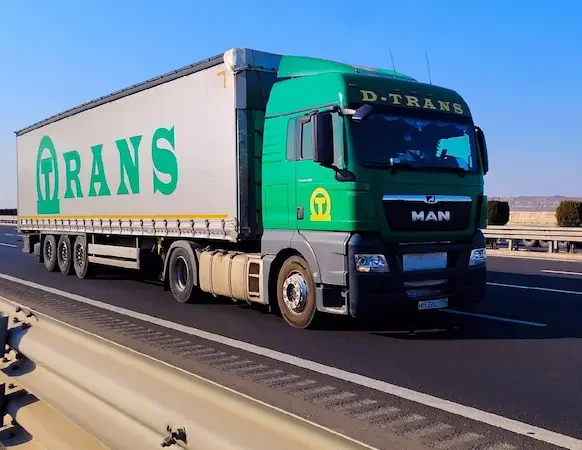
Multimodal Transport
Adjust methods based on seasonal demand, customer location changes, or new carrier offers, or choose more methods like Rail Freight, Trucking, or FOB to the sea port only.
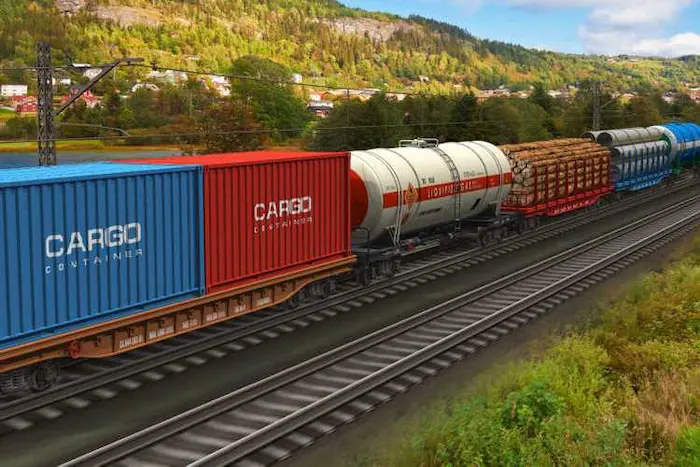
Pros and Cons of each packaging shipping
3 Steps to Save Shipping costs
| Shipping Method | Pros | Cons | Cost & Lead Time (China to EU/US) |
|---|---|---|---|
| Air Freight | • Fast (3-7 days) | • High cost ($5–10/kg) | $5–10/kg |
| • Ideal for high-value/urgent goods | • Weight/volume limits | 3–7 days | |
| Express (DHL/FedEx/Ups) | • Extremely fast (1–3 days) | • Very expensive ($20–50/kg) | $20–50/kg |
| • Door-to-door service | • Weight limits (<70kg) | 1–3 days | |
| Postal Parcel (EMS) | • Very low cost ($10–30/kg) | • Very slow (15–60 days) | $10–30/kg |
| • Ideal for lightweight items | • No tracking/insurance | 15–60 days | |
| Sea Shipping | • Most economical for heavy/bulk cargo | • Slowest option | $100–300/m³ |
| • Environmentally efficient (CO₂/ton) | • Port congestion risks | 25–45 days | |
| FCL (Full Container Load) | • Cost-effective ($2k–5k/container) | • Slow (20–40 days) | $5,000–8,000/container |
| • Exclusive container for bulk | • Requires container filling time | 20–40 days | |
| LCL (Less than Container) | • Pay per m³ ($100–300/m³) | • Longer delays (consolidation) | $100–300/m³ |
| • Flexible for small shipments | • Higher damage risk | 25–45 days | |
| Rail Freight | • Cost-effective (vs. air) | • Limited routes | ~$5,000–8,000/container |
| • Stable (18–25 days, e.g., China-Europe) | • Geopolitical risks | 18–25 days | |
| Trucking | • Flexible for short distances | • Weight limits (<25 tons) | $1–3/km |
| • Low cost ($1–3/km) | • Delays due to traffic | 1–3 days (short-haul) | |
| Door-to-Door | • Full-service (seller to buyer) | • Higher cost (includes customs) | Varies by route |
| • Hassle-free | • Delays in logistics chain | Add 3–7 days to base lead time | |
| Door-to-Port | • Lower cost (to destination port) | • Requires local logistics | ~20% cheaper than Door-to-Door |
| • Buyer controls customs | • Customs risks on buyer | ||
| Multimodal Transport | • Combines sea/rail/truck for cost efficiency | • Complex coordination | Varies by combination |
| • Flexible | • Unpredictable delays |
1. Analyze Product & Packaging Requirements
Evaluate your product’s size, weight, fragility, and perishability. Heavy or oversized items may require freight shipping, while lightweight goods can use standard couriers. Ensure packaging materials align with carrier guidelines.2. Prioritize Budget & Delivery Speed
Balance cost and urgency. Economy shipping reduces expenses for non-urgent orders, while express options (e.g., FedEx Overnight) suit time-sensitive deliveries. Use real-time rate calculators from carriers like USPS or DHL.3. Research Carrier Reliability & Coverage
Compare carriers (USPS, UPS, FedEx) based on delivery success rates, tracking features, and regional/international reach. Check reviews to avoid delays or damaged shipments.4. Test Multiple Methods
Run trials with different carriers and service tiers. Track delivery times, damage rates, and customer feedback to identify the most efficient option for your audience.5. Monitor & Adjust Regularly
Review shipping performance quarterly. Adjust methods based on seasonal demand, customer location changes, or new carrier offers (e.g., eco-friendly shipping discounts).
When comparing carriers and routes, it helps to benchmark destination markets against the World Bank Logistics Performance Index, which scores customs efficiency, infrastructure and shipment reliability.