
Packing Method of Custom Packaging
Discover the right packing method of customized packaging for handmade boxes with APP’s custom packaging guide. Ensure luxury paper bags & high-end boxes arrive safely and cost-effectively. See our 5-step success checklist!
Common Packing Method
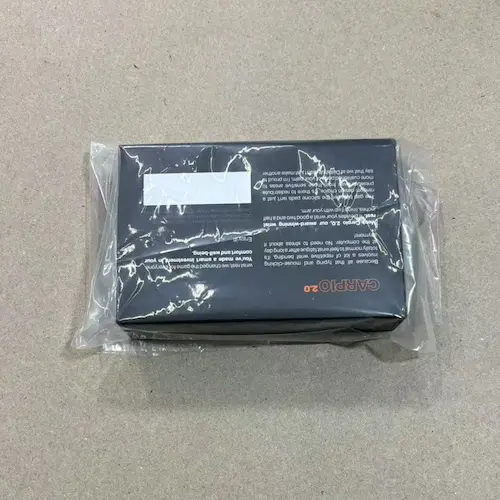
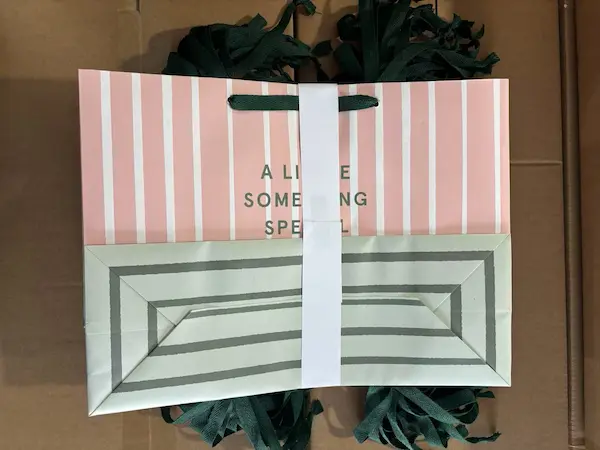
Single Packing
- Plastic Bag (PE Bag)
- Paper Bandages
- Bubble Wrap Bag
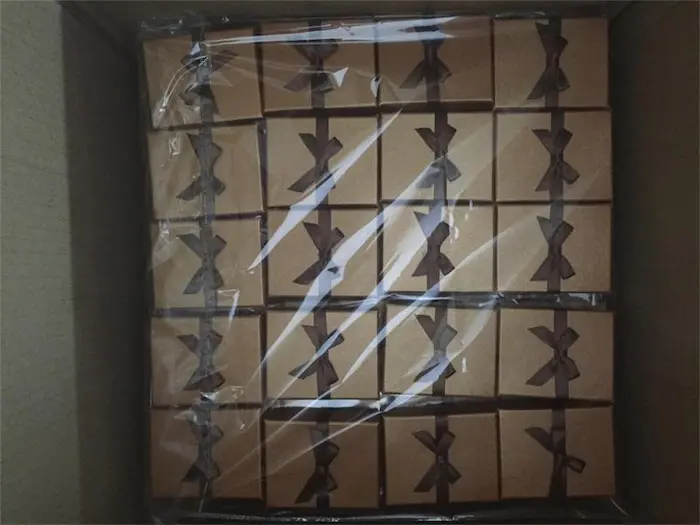
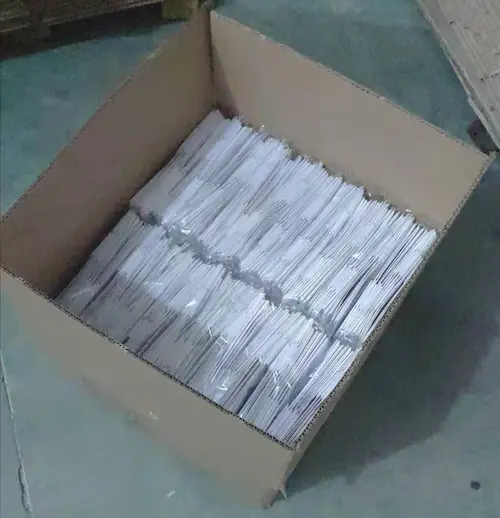
Middle Packing
- Plastic Bag (PE Bag)
- Paper Bandages
- Currugated Carton
Safe Outer Packing
- Currugated Cartons
- Kraft Wrapping Paper
- Wood Cartons
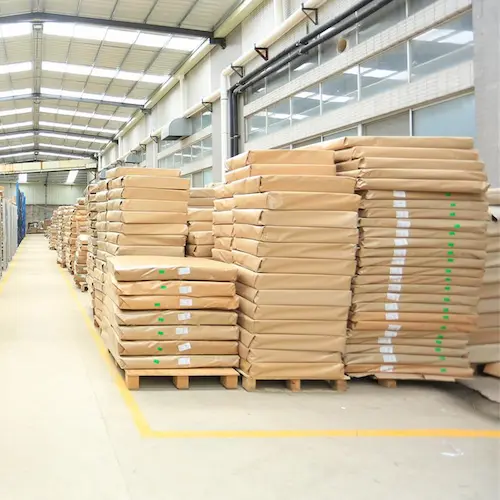
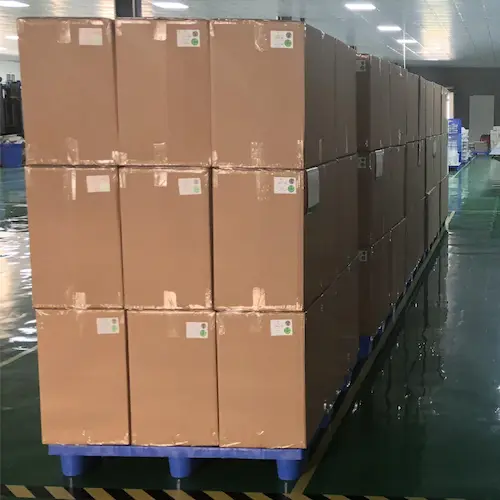
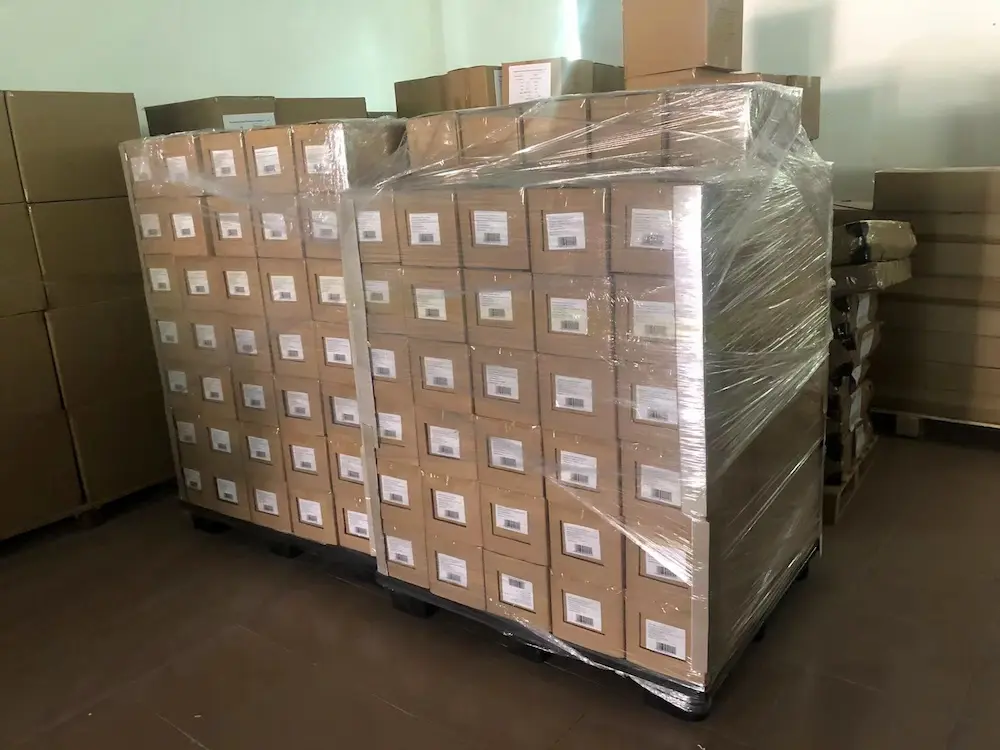
Shipping Packing
- Plastic Pallet + Stretch Film
- Wood Pallet + Stretch Film
- Wood Packaging
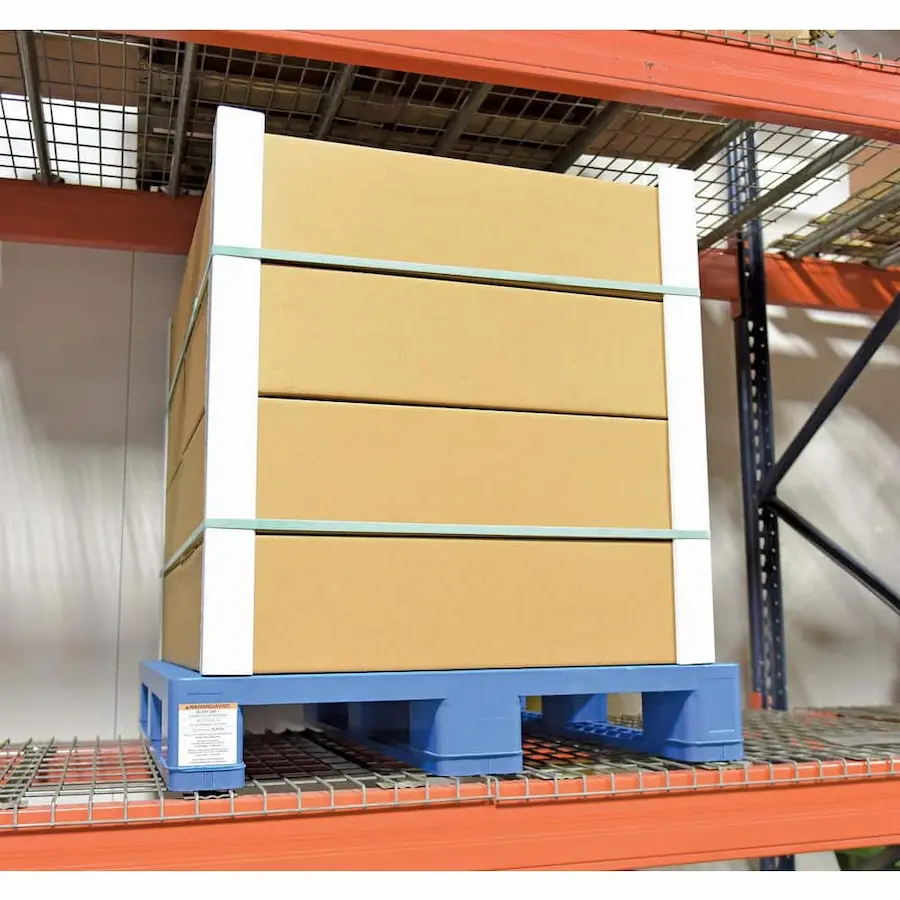
Pros and Cons of outer packing for each packagings
| Packing Method | Material | Pros | Cons |
|---|---|---|---|
| Plastic Bag (PE Bag) | Polyethylene | ★ Low cost ($0.05–0.2/bag) | ▲ Non-recyclable |
| ★ Dust & moisture resistant | ▲ Fragile | ||
| Corrugated Outer Carton | 3-5 Ply Board | ★ High crush resistance | ▲ Adds volume/weight |
| ★ Customizable printing | ▲ Higher freight cost | ||
| Strapping (PP/PET) | Polypropylene/Polyester | ★ Low cost ($0.5–2/roll) | ▲ Requires tools |
| ★ Secures heavy loads | ▲ May damage edges | ||
| Pallet + Stretch Film | Wood/Plastic Pallet + PE Film | ★ Forklift-friendly | ▲ Requires storage space |
| ★ Prevents load shifting | ▲ Equipment investment | ||
| Kraft Paper Wrapping | Recycled Kraft | ★ Eco-friendly & biodegradable | ▲ Not waterproof |
| ★ High tear resistance | ▲ Plain appearance | ||
| Bubble Wrap Bag | PE Air Cushion | ★ Shock absorption | ▲ Plastic waste |
| ★ Lightweight | ▲ Higher cost ($0.5–3/bag) | ||
| Heat Seal Tape | Adhesive Composite | ★ Tamper-evident seal | ▲ Needs heat sealer |
| ★ Clean finish | ▲ Material restrictions |
5 Simple Steps to Select the Ideal Packing Method of Custom Packaging
Choosing the right packing method of custom packaging ensures your products like luxury paper bags and high-end paper boxes arrive safely, cost-effectively, and aligned with your brand values. Allen Paper Products (APP) breaks down the process into five actionable steps for custom packaging success.
Step 1: Define Your Product Requirements
- Fragility: Delicate items (glass, ceramics, electronics) need protective packing methods of custom packaging like foam, air cushions, or corrugated dividers.
- Size/Weight: Heavy or oversized items (furniture, machinery) require reinforced custom packaging with double-walled boxes or wooden crates.
- Value: High-value goods (luxury watches, jewelry) demand tamper-evident seals, RFID tags, or insurance-backed secure packing solutions.
Pro Tip: Test your packaging with a “drop test” to ensure durability for fragile items.
Step 2: Analyze Shipping Destinations & Logistics
- Domestic Shipping: Opt for cost-effective ground transport with recyclable mailers or standard boxes.
- International Shipping: Use climate-controlled packing methods of custom packaging for long hauls and comply with ISPM-15 wood regulations.
- Last-Mile Needs: Urban deliveries may require compact, lightweight custom packaging for easy handling; rural areas prioritize durability.
Pro Tip: Partner with carriers offering real-time tracking for high-priority shipments.
Step 3: Prioritize Sustainability & Brand Alignment
- Eco-Friendly Materials: Choose FSC-ready paper, biodegradable fillers, or reusable packing methods of custom packaging for eco-conscious audiences.
- Branding Integration: Use minimalist designs for luxury brands or bold, recyclable prints for eco-focused companies.
- Reusability: Design custom packaging that doubles as storage (e.g., magnetic-lock boxes) to enhance customer experience.
Pro Tip: 73% of consumers prefer brands with reusable or recyclable packaging—leverage this in your strategy.
Step 4: Evaluate Cost vs. Efficiency
- Budget Constraints: Use hybrid solutions like air freight for urgent orders and sea freight for bulk cost-effective packing methods of custom packaging.
- Volume Discounts: Order 500+ units of custom packaging to reduce per-unit costs by 25-40%.
- Hidden Costs: Factor in duties, insurance, and returns management for international shipments.
Pro Tip: APP’s bulk-ordering portal provides instant quotes for materials, labor, and logistics.
Step 5: Test & Optimize
- Prototype Testing: Simulate transit conditions (vibration, humidity) to refine protective packing methods of custom packaging.
- Customer Feedback: Survey users on unboxing experience—adjust designs for easier opening or sturdier builds.
- Continuous Improvement: Use AI analytics to track damage rates and shipping costs, refining methods quarterly.
Pro Tip: Integrate NFC tags into custom packaging to collect real-time feedback via QR code scans.
Exporters shipping on wooden pallets or crates should follow the ISPM 15 wood packaging standard, which sets the phytosanitary treatment required for international trade.
FAQs

- Q: What if my Custom Boxes are damaged during shipping?A: Contact us immediately and share photos/videos of the damage. We will liaise with the shipping carrier to file a claim and propose a fair compensation or replacement plan within 8 hours of notification.
- Q: Are the shipping materials recyclable and environmentally friendly?A: Yes. Our standard shipping cartons are widely recyclable. We use water-based inks and starch-based adhesives, and our Packing Method of CustomPackaging prioritizes materials that comply with common municipal recycling standards.
- Q: What are the common outer carton types and their best uses?A: Common types are: K=K (heaviest duty, for long-distance/overseas), K=A (medium duty), and C=B (light duty, domestic). We recommend 5-ply or 7-ply corrugated cartons for heavy or high-value shipments of Custom Boxes.
- Q: How to test and compare carton material strength?A: Strength is measured by ECT (Edge Crush Test). For example, 200# ECT is standard, while 350#+ is for heavy items. For inner Folding Cartons, thickness is measured in points (pt) or GSM. We provide spec sheets and can send blank samples for you to test. The thickness between samples and mass production must be the same!
- Q: How many days quality guaranteed? What if we’re not happy with the quality?A: We offer a 60-day quality guarantee from receipt. For any quality issues, contact support within 24 hours with photos and batch numbers. We will investigate promptly and offer to remake, provide a discount, or refund as per our policy.
- Q: What are edge protectors and when should they be used?A: Edge protectors (L-shaped cardboard or plastic strips) are applied to the corners of master cartons. They are essential in the Packing Method of CustomBoxes to prevent crushing from straps and to reinforce the carton’s weakest points during palletized shipping.
- Q: What is the correct way to apply plastic/steel strapping?A: Strapping should be applied with tension and sealed securely. For Custom Boxes, use at least two straps (top/bottom). Place strapping over edge protectors to prevent cutting into the carton. This is a key step for securing pallet loads.
- Q: What is palletization and when is it necessary?A: Palletization involves stacking and securing master cartons on a wooden or plastic pallet, then stretch-wrapping them. It is necessary for all large wholesale orders going via sea or air freight, as it allows for mechanized handling and prevents individual box loss or damage.
- Q: How to protect against moisture during transit?A: For the Packing Method of CustomPackaging in humid climates, we insert silica gel desiccant packets inside master cartons, use PE-coated kraft paper as an inner liner, and ensure all cartons are stretch-wrapped on the pallet to create a moisture barrier.
- Q: How important is clear labeling on shipping cartons?A: Critical. Labels must include: Ship To/From addresses, PO/Order Number, Carton Count (e.g., 1 of 5), Weight, and any Fragile/Hazmat icons. Poor, smudged, or missing labels are a top cause of logistical errors and delays.
- Q: How to prevent scratches on Custom Boxes inside the shipping carton?A: Each individual product box or Custom Bag is first packed in a clear polybag. These are then packed in sturdy master cartons with adequate void fill (paper or bubble wrap) to prevent movement and abrasion during transit.
- Q: Do you offer warehousing and direct shipping services?A: Yes. We can manufacture, store, and then ship your custom packaging orders directly to your customers or distributors. This consolidation service can significantly reduce your overall shipping costs and complexity.
- Q: Paper cushioning or bubble wrap for void fill?A: Kraft paper cushioning is eco-friendly, cost-effective, and provides good protection for most items. Air bubble wrap offers superior cushioning for very fragile items. The choice depends on the fragility of your Custom Boxes and sustainability goals.
- Q: What is the double-boxing method?A: This involves placing the product in its primary Custom Box, then placing that box inside a larger, plain carton filled with ample cushioning material. This is the gold standard for shipping extremely fragile or high-value items, as it absorbs impacts before they reach the inner box.
- Q: What is the H-taping method?A: This involves applying packing tape along the center seam and then along each end seam of a carton flap, forming an “H” shape. It is the strongest sealing method for regular slotted cartons (RSCs) and is recommended for all master cartons containing Custom Bags or boxes.
- Q: When should I use a carton liner or bag?A: Use a PE plastic liner bag inside the shipping carton if your products are susceptible to moisture, dust, or are loose granular/powder items. This is a crucial part of the Packing Method of CustomPackaging for food, chemicals, or electronics.
- Q: How much void fill is enough?A: A good rule is to ensure at least 2-3 inches (5-8 cm) of cushioning material on all sides of the product inside the master carton. The contents should not shift when the sealed carton is gently shaken.
- Q: Should I use batch codes on my shipping cartons?A: Yes. Printing a unique batch or lot number on each master carton is invaluable for traceability in case of a quality issue, recall, or to manage inventory rotation (FIFO – First In, First Out).
- Q: How do master carton dimensions affect shipping costs?A: Freight costs are often based on dimensional (DIM) weight. Optimize your master carton size to be as small as possible while allowing for proper cushioning. Oversized cartons can dramatically increase costs without adding protection.
- Q: Are the shipping boxes suitable for reuse by my customers?A: While our shipping cartons are durable, they are designed for single-use transport to ensure product safety. We advise against reusing them for outbound shipping, but they can certainly be reused by end customers for storage or recycling.