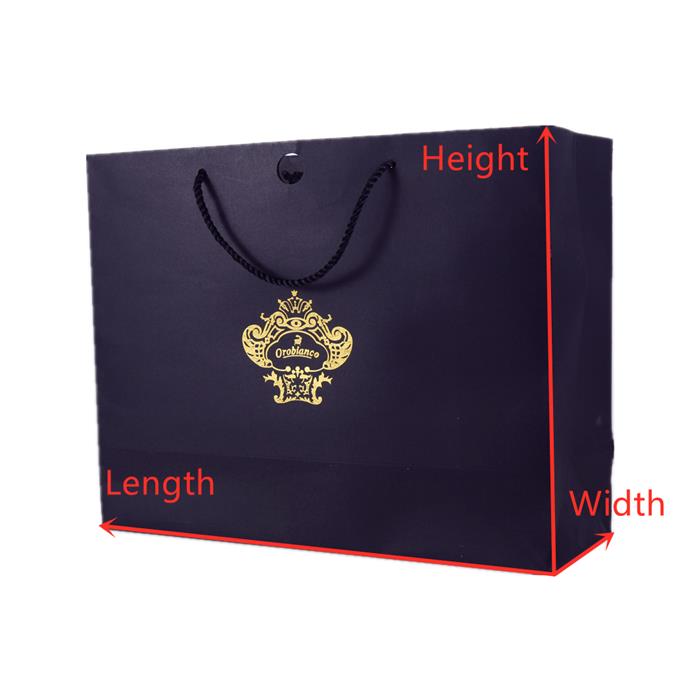
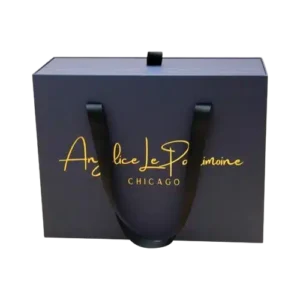
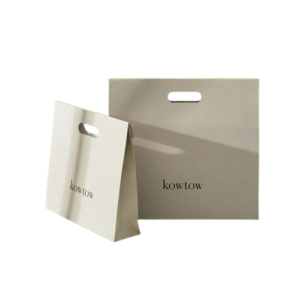
wine bag with CMYK printing and gold handles

Wine Bottle Shipping Pack: Ship Glass Without Breakage

A wine bottle shipping pack is an engineered cushioning system, not a box with padding thrown in, and Danielle paid for that lesson two bottles at a time. She shipped her first holiday cases in kraft mailers wrapped in bubble film. Two of twelve arrived in pieces, the courier declined the claim because the pack was not glass-rated, and she refunded both customers plus freight. The mailers were attractive and the wrap was generous. Neither of them stopped a 1.3kg cylinder from rolling into its neighbour at the depot.

Every spec below comes out of our own plant in Dongguan — see Allen Paper Products for the full capability list.
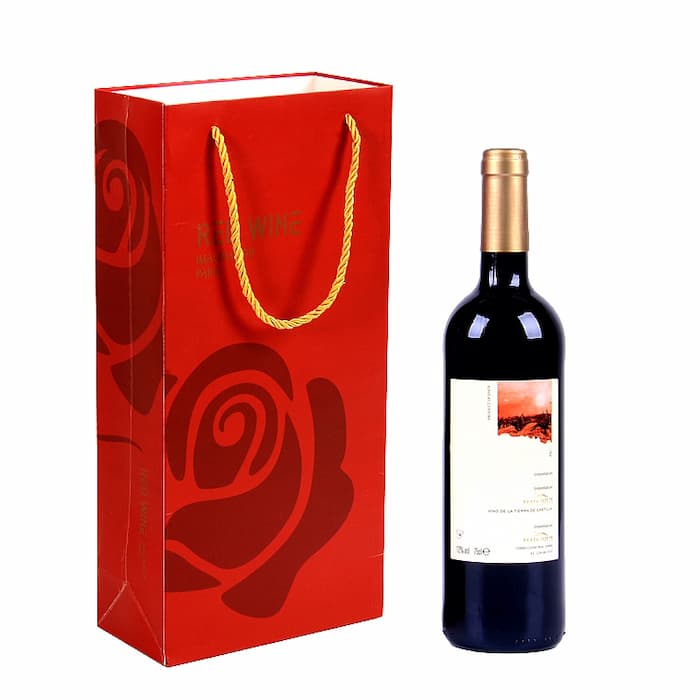
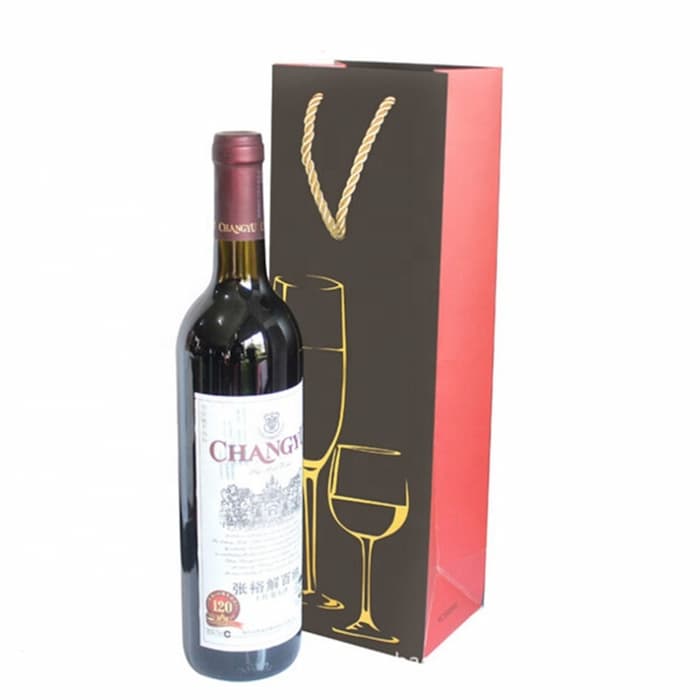
wine bottle shipping pack ship glass without breakage

Key Takeaways

  • A wine bottle shipping pack is a system, not a box: rigid outer walls, an insert that immobilises each bottle, and taped seams sized for a 1.3kg rolling mass.
  • Match board to case weight: 32 ECT single wall for one bottle, 42 ECT double wall at six bottles, and 48 ECT double wall once a case reaches twelve.
  • Never let glass touch glass; a divider or moulded cell for every bottle removes the impact path that causes most transit breakage in mixed six-bottle cases.
  • A properly engineered pack costs roughly $0.30–0.90 more per unit than a makeshift one, which is far less than a single replacement bottle plus return freight.
  • Seal every seam with 48mm pressure-sensitive or reinforced paper tape, and drop-test a loaded sample from 90cm on a corner before approving the production run.

For the related spec, see custom printed paper bags — same board grades, same tolerances.

What a Wine Bottle Shipping Pack Must Actually Do

A full 750ml bottle weighs about 1.3kg, has a high centre of gravity, and rolls the moment the case tips. Generic boxes let that mass move, and movement is what cracks glass. The break almost never happens on the flat panel; it happens at the shoulder, where one bottle strikes another or the inside of a wall.

So the pack has three jobs. Immobilise each bottle. Absorb the drop energy before it reaches the glass. Keep the case closed under 16kg of load through a sorting belt.

Key points – Separate every bottle; glass must never touch glass. – Use at least 32 ECT board for a single, double wall from six up. – The shoulder and neck are the impact points, not the base. – Tape all seams; a single folded flap is not a closure. – Mark Fragile and This Side Up on two faces, not one.

For the related spec, see custom paper boxes — same board grades, same tolerances.

For the underlying standard, see FSC chain-of-custody certification.

Five Insert Types Compared

Insert type Best for Strengths Watch-outs
Moulded pulp tray Eco brands, 1–3 bottles Recyclable, low cost, good neck grip Loose on non-standard shapes
Corrugated dividers 6–12 bottle cases Strong, stackable, cheap at volume Needs exact bottle height
Foam sleeve (EPE) Premium singles Soft unboxing, high cushioning Not curbside recyclable
Inflatable air column Mixed or irregular shipments Light, adjustable, low storage cost Punctures end all protection
Kraft honeycomb wrap Sustainability-led gifting Paper stream, looks premium Less protection on hard corners

For most brands, corrugated dividers inside a double-wall case give the best protection per dollar, while a wholesale moulded pulp wine insert wins where the recycling story matters as much as the drop performance. If the base sheet has to carry a sustainability claim, ask for board with FSC chain-of-custody certification and keep the certificate with the spec.

Cushioning choice pairs with the outer box, and molded pulp and corrugated padding covers how the two work together. For other fragile glass, perfume bottle packaging applies the same logic at a smaller scale.

Mini-story: A Napa start-up shipped 500 single bottles in foam-lined mailers for a charity auction. A sorter dropped a stack from waist height and three broke, because the mailer walls were single-wall regardless of how good the foam was. They moved to a double-wall box with a pulp insert and recorded zero breakage across the next 2,000 shipments, at nine cents more per box. The foam was never the problem; the wall was.

For the related spec, see packaging by industry — same board grades, same tolerances.

Sizing, Weight, and Board Grade

Bottles per case Recommended board Typical gross weight
1 32 ECT single wall ~1.5 kg
2–3 32–42 ECT single wall ~3–4 kg
6 Double wall 42 ECT ~8 kg
12 Double wall 48 ECT ~16 kg

Board grade follows case weight, not case size. A twelve-bottle case on single wall will bulge at the mid-panel, and once the walls bow the bottles lean into each other and the dividers stop working. ECT is a measured value, so ask which figure the quote is based on before comparing a double wall wine case cost between two suppliers, and read box edge crush test if the ratings are unfamiliar.

The honest answer to how many bottles per shipping case is whatever keeps gross weight under your carrier’s handling threshold, usually twelve. Above that, split the order into two cases. Board caliper matters on the outer too, as covered in mailer box board thickness.

For the related spec, see our packaging factory — same board grades, same tolerances.

For the underlying standard, see ASTM International test standards.

Test Before You Commit to the Run

Order the sample, fill it with real bottles, and drop it. A corner drop from 90cm, a flat drop on the base, and a 24-hour stacked compression test will tell you more than any specification sheet. Formal transit protocols exist for exactly this, and the sequences published under ISTA transit testing protocols are the reference most carriers recognise in a damage claim.

Keep the approved sample sealed and labelled as your benchmark. When you reorder custom wine shipping boxes next season, that physical reference settles arguments a drawing cannot. If you are still choosing between formats entirely, padded mailer vs box covers where each one stops being safe.

For the underlying standard, see the Fibre Box Association.

Your Next Step

Measure your bottle at its widest point, count the bottles per case, and read the matching board grade off the table above. Then choose an insert that fits both the shape and the brand story you want the customer to unwrap.

Sample it, drop it, and keep the survivor on a shelf. Brands that ship glass well treat the pack as protection first and presentation second.

  • 1. What is the safest pack for shipping a single bottle?

    A double-wall 32–42 ECT mailer with a moulded pulp or foam insert that grips the neck and base. The insert stops the bottle rolling and the rigid walls absorb corner drops. Seal with two strips of 48mm tape and mark one face Fragile and This Side Up.

  • 2. How many bottles can one shipping case safely hold?

    Most brands ship 1, 2, 3, 6 or 12 bottles per case. Twelve needs double-wall 48 ECT board with dividers rated for roughly 16kg. Beyond twelve, split into two cases so each stays under common carrier weight limits and keeps handling damage and breakage risk down.

  • 3. Is moulded pulp or foam better for wine?

    Moulded pulp is recyclable, low cost, and ideal for eco-positioned brands, though it fits standard bottle shapes best. Foam sleeves cushion superbly and feel premium but are not curbside recyclable. Corrugated dividers remain the best value for six and twelve bottle cases where volume matters more than unboxing.

  • 4. Do I need special tape for wine cases?

    Use pressure-sensitive plastic or reinforced paper tape at least 48mm wide. Tape every seam including the bottom, and overlap at the corners. Thin office tape splits under humidity and rough sorting, which lets a heavy case open mid-transit. Reinforce the bottom flaps on anything above six bottles.

  • 5. Can I reuse old boxes to ship wine bottles?

    Avoid it. A used case has already lost stiffness, and old labels confuse handlers and sorting scanners. If you must reuse, strip every prior label, reinforce all flaps with fresh tape, and add a proper insert. New rated board stays the safer and more professional choice for glass.

Conclusion

Wine bottle shipping pack ship glass without breakage is a spec decision, not a price decision. Fix the structure, approve a real sample, and hold the supplier to the numbers on the PO — then the pack does its job before anyone reads the copy. Compare custom printed paper bags, custom paper boxes and packaging by industry to see what fits your product, or email sales@allenboxes.com for a quote on a 100-piece run.

Liverson Li
Liverson Li

Hello, I'm Liverson, co-founder of Allenboxes.com. We run a packaging factory in Dongguan. Custom printed paper bags, boxes, pouches, hang tags and cards, made here since 1998. We're not the cheapest and not the biggest. We're the factory that takes a 100-piece order seriously. Email me freely for more details!

Leave a Comment

GET A QUOTE NOW

Your inquiry matters!

Our team replies within 8 hours, with your full quote in 24.

Please check inbox/spam later for replies from @allenboxes.com