
Custom Packaging Cost Breakdown: Seven Segments and Four Box Types Explained (2026)
In our experience at Allen Paper Products, the gap between a returned order and a repeat order on custom packaging almost always comes down to the specs written below. Recyclability duties for packaging sold in Europe sit in EU packaging waste rules.
The first time a founder asks about custom packaging cost, they usually expect a single number. What they get instead is a range that swings by a factor of four depending on the factory, the structure, and the finish. A Berlin cosmetics brand recently compared a rigid box at one dollar ninety and a folding carton at forty cents for the same product, and assumed the supplier was padding the quote. The gap was real, but it was not dishonest. That cost is simply made of different things in each structure. This guide breaks that cost into seven segments and then shows how those segments stack differently across four box types, so you can read any quote as a structure rather than a surprise.
关键要点
– Custom packaging cost is the sum of seven segments: material, printing, process, tooling, labor, inner packing, and freight, not a single factory markup.
– Tooling and labor are the two segments that separate rigid, folding, and corrugated boxes by the widest margin.
– The same product can cost forty cents or two dollars depending only on which of the four structures you choose.
– A per-unit box cost calculator must normalise quantity, Incoterm, and substrate before any comparison is meaningful.
– Freight and inner packing are the two lines most often missing from a careless quote, and they are the two that flip a cheap headline into an expensive delivery.
Custom Packaging Cost: Seven Segments That Build Your Quote
A packaging quote is never one price. It is seven prices added together, and most buyers only see the total. When you separate the custom packaging cost into its segments, the mysterious gap between a cheap carton and a luxury box stops being mysterious. The seven segments are material, printing, process, tooling, labor, inner packing, and freight. Each behaves differently as volume rises, and each rewards a different cost-control move. The rest of this guide walks the seven in order, then shows how four common box types weight them completely differently, and finally hands you a calculator you can rebuild for your own line.

Based on Allen Paper Products production data (2024-2026), most of the defects and delays we see trace back to specs that were never written into the PO at the quotation stage.
Segment One: Material and Substrate
Material is the board or paper itself. For a folding carton it is coated paperboard quoted by gram weight, such as three hundred fifty gram solid bleached sulfate. For a rigid box it is greyboard wrapped in art paper. For corrugated it is liner and medium graded by edge crush strength. Material is the segment most sensitive to certification and weight, and it is the one buyers over-specify most often. A brand that does not need a heavy board pays for stiffness it will never use. Dropping thirty grams of basis weight is usually the fastest, least visible saving on the unit cost, because the carton still feels substantial in the hand while the sheet cost falls.
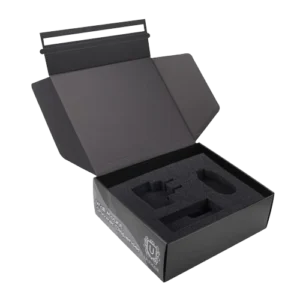
The substrate also decides how much print and finish the structure can carry. A bright white solid board takes a clean process print and a crisp foil. A recycled kraft board reads rustic and hides registration drift but limits colour accuracy. Choosing the substrate for the brand story rather than the spec sheet is where material cost quietly earns or wastes its place. The point is to name the exact board and weight in the brief, because the word cardboard means a different thing in every factory and produces a different custom packaging cost every time. Paper sourced under FSC rules comes with a verifiable certificate number.
Segment Two: Printing and Surface Decoration
Printing is where quotes diverge hardest. The method decides both setup and run cost. Flexographic printing carries low setup and a modest per-unit add at volume, while digital printing carries almost no setup but a higher per-unit rate that punishes large runs. Offset sits between them with plates to amortise. Color count and spot matches move the number further. A single brand colour printed in process inks costs little; a matched Pantone spot printed and calibrated costs more because the press stops and the ink is mixed to a standard. Foil, emboss, and spot varnish each sit on top as their own process line with their own labour.
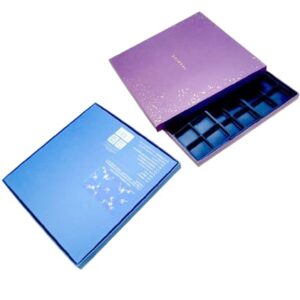
When a quote looks inflated, printing and finishing are usually the reason, not the board underneath. The fix is not to abandon decoration but to choose it deliberately. A one-colour logo on a clean board often outsells a muddy full-colour wash, and it does so at a lower unit price. The printing segment is also where samples earn their money: a strike-off on the real substrate stops you from approving a colour that the production run can never hold, which is a far cheaper mistake than a reprinted ten thousand.
Segment Three: Process and Conversion
Process is the mechanical conversion of flat sheet into a box: die cutting, creasing, gluing, and any special formation. A folding carton converts on a high-speed line and keeps this segment small. A corrugated box converts on a printer-slotter or a die-cutter and stays efficient. A rigid box converts almost entirely by hand, which pushes process cost up sharply. This segment is the quiet divide between the three manufacturing families, and it is the reason the same artwork can cost cents on one structure and dollars on another without any supplier playing games.
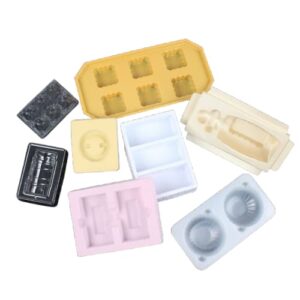
Process also captures the hidden engineering of a structure. A crash-lock bottom that self-erects costs more to tool but saves a fold on every carton. A window patch adds a station. A magnetic closure adds a hand-set component. Each of these is a process decision that shows up as a line in the custom packaging cost, and each is negotiable if you know it is there. Buyers who treat process as a given leave exactly the saving on the table that a better dieline would have delivered, because the dieline, not the board, decides how the carton is made.
Segment Four: Tooling and Moulds
Tooling is the one-time cost that makes your structure possible: cutting dies, offset plates, and for rigid boxes, the mould or form. It is not in the per-unit price, yet it reshapes your effective cost on a small run. A cutting die might run from eighty to two hundred dollars and be reused for reorders. An offset plate is less. A rigid mould can run several hundred and is specific to your dimensions. Amortise tooling across your real quantity, and a small order looks far more expensive than a large one for reasons that have nothing to do with the box itself. Tooling is why the cost curve falls so steeply as volume climbs.

The danger is a quote that buries tooling inside a low unit price and calls it included. Including it is fine; hiding it is not. Always ask whether dies and moulds are itemised, reusable, and already paid on a previous order. A structure you will reorder a dozen times should carry the die cost once, not once per run. A box cost calculator that spreads the tooling across your real annual quantity will show you the true per-unit figure that a headline number conceals, and that true figure is the one worth negotiating around.
Segment Five: Labor and Assembly
Labor is the human time in the box. A folding carton needs little, because machines erect and glue it. A corrugated shipper is similar. A rigid box needs hands to wrap, line, and assemble, which is why its labor segment dominates. For gift-grade rigid work with magnetic closures and hand-set inserts, labor can exceed material. This is the segment most exposed to wage levels and the one that decides minimum order quantity more than any other. When a factory quotes a high MOQ, labor is usually the hidden cause rather than a greed premium.
Labor also explains why two factories in the same city quote the same rigid box at different prices. One runs a hand line with senior packers; the other has semi-automated wrapping that cuts the hand time. That cost difference is real, and it reflects throughput, not honesty. The buyer’s move is to ask how the box is assembled, because that answer predicts both the price and the consistency you can expect across a ten thousand unit run. A box assembled by fewer hands is a box with fewer places to go wrong.
Segment Six: Inner Packing and Inserts
Inner packing is the carton, the insert, the tissue, and the void fill that protect the product and present the brand. It is often omitted from a careless quote and then reappears as a surprise line. A compartmented insert adds material and labor; molded pulp adds tooling; tissue adds little but slows pack-out. Inner packing also drives freight, because a box packed loose ships at a larger carton and heavier gross weight than a snug one. The custom packaging cost you compare should always include inner packing, or you are comparing only half the job that reaches the customer.
The presentation side of inner packing is where brands overspend without intent. A full printed insert is lovely but optional; a simple die-cut tray that holds the product still may do the same job for a fraction. The discipline is to specify the insert by function, then let the factory cost the cheapest form that meets it. Inner packing is also the segment where damage is won or lost: a product that rattles in transit generates returns that cost more than the saving from a thinner insert, so this line pays for itself in fewer complaints.
Segment Seven: Freight and Landed Cost
Freight is the multiplier that turns a cheap ex-factory box into an expensive delivered one. Ocean cost is driven by carton volume and gross weight, duties are driven by declared value, and Incoterms decide who pays each leg. A quote given EXW and a quote given FOB are not the same price dressed differently; they sit at different points on the cost chain, and mixing them is the most common comparison error in the trade. Landed cost, not ex-factory cost, is what your product actually carries to the shelf. Any custom packaging cost comparison that ignores freight is incomplete by definition.
Freight also rewards smart structural choices that have nothing to do with the box face. A flatter carton stacks more per pallet. A lighter board cuts ocean weight. A nested design reduces volume. Each of these lowers the freight segment without changing how the packaging looks to the customer, which makes freight the rare segment where you can save money invisibly. The buyer who asks for carton dimensions and gross weight on every quote can model landed cost and pick the supplier whose box is genuinely cheaper to own, not merely cheaper to print.
How the Four Box Types Split the Same Cost
The same product, packed four ways, produces four completely different cost stacks. The table below shows a representative share of total unit cost at a five-thousand-unit run. The values are illustrative industry patterns rather than a quotation, and they shift with substrate, finish, and lane, but the shape of each stack is the useful part.
| Cost segment | Rigid box | Folding carton | Corrugated box | Paper bag |
|---|---|---|---|---|
| Material | moderate | moderate | moderate | high |
| Printing and finish | high | high | low | moderate |
| Process and conversion | high | low | low | low |
| Tooling and moulds | high | moderate | moderate | low |
| Labor and assembly | very high | low | low | low |
| Inner packing | moderate | moderate | low | moderate |
| Freight and landed | moderate | low | moderate | low |
The pattern is the point. Rigid boxes spend their budget on labor and process. Folding cartons spend theirs on printing and material. Corrugated boxes keep every segment lean except freight. Paper bags sit close to corrugated but carry more material cost per unit. No structure is cheapest on every line; the right choice follows the product value and the channel, not a generic idea of cheap. A custom packaging cost that looks high on one structure may simply be the wrong structure for the job.
A Per-Unit Box Cost Calculator You Can Build
A box cost calculator is only useful if it normalises the inputs first. Build yours on four fixed assumptions before you type a number, or you will compare ghosts.
- Fix the quantity at your real reorder volume, not the supplier’s favourite number.
- Fix the Incoterm, normally FOB, so freight sits in the same place for every bid.
- Fix the substrate and gram weight so material is comparable.
- Fix the finish list so printing and process match across suppliers.
With those locked, the calculator becomes a seven-segment addition: material plus printing plus process plus tooling amortised plus labor plus inner packing plus freight. The output is a like-for-like custom packaging cost you can defend in a negotiation. The brands that win on price are not the ones that find the cheapest factory; they are the ones that compare the same spec on the same basis, because that is the only comparison that means anything.
Mini Story: A Copenhagen skincare founder compared a rigid box at one dollar ninety and a folding carton at forty cents for the identical jar. She assumed the rigid quote was padded. When she rebuilt both on a box cost calculator at five thousand units FOB, the gap held: the rigid box spent roughly seventy cents on labor and process alone, while the folding carton spent about nine cents. The lesson was not that one supplier lied. It was that the custom packaging cost of a hand-built structure and a machine-built one are different animals, and a calculator makes the difference visible instead of suspicious. She kept the rigid box for the flagship and moved the travel size to folding cartons.
What Drives Packaging Price Most
If you can control only two segments, control labor and printing. Labor is the lever that separates the three manufacturing families and sets your minimum order quantity. Printing is the lever that separates a plain box from a branded one and adds the most per-unit at low volume. Material and freight matter, but they move slowly. Tooling matters only at small runs. Inner packing matters for protection and presentation but can be right-sized without hurting the look. The fastest route to a lower custom packaging cost is to ask, for each segment, whether the spend earns its place on the shelf where the customer actually decides.
A useful habit is to rank the seven segments by impact before you request a quote. Write them down, mark the two you will defend, and let the rest fall to the cheapest defensible option. Most buyers do the opposite: they over-invest in a heavy board and under-invest in print clarity, then wonder why the box feels expensive and looks ordinary. The custom packaging cost is a budget you allocate, not a number you receive, and the brands that treat it that way consistently out-spec competitors at the same price point.
Mini Story: A Rotterdam coffee roaster requested folding cartons but forgot to name inner packing, so the quote omitted cartons and the first shipment arrived in plain shippers with the printed cartons loose inside, rattling and scuffing. The rework added a compartmented insert and an outer carton, which raised the true unit cost by roughly a sixth over the original headline. The missing inner-packing line was the gap, and a second quote that itemised it would have shown the real number before the deposit left.
Common Mistakes That Inflate the Cost
The avoidable errors cluster around the two missing lines. The first is comparing across Incoterms, which quietly adds freight and clearance to one bid and hides it from another. The second is leaving inner packing blank, which moves cartons and inserts from the quote into a later surprise. The third is requesting a structure above the product’s price tier, such as a rigid box for a low-ticket item, which spends labor money the shelf will never return. Each mistake inflates the apparent custom packaging cost without improving the result the customer sees.
The fourth mistake is chasing the lowest headline instead of the clearest quote. A complete quote with every segment named is worth more than a low number with three lines missing, because the missing lines are costs that reappear at full price after you have committed. The discipline that prevents all four is boring but effective: write the spec, name the Incoterm, require itemisation, and run the calculator before you sign. That sequence turns a confusing range into a number you control, which is the entire point of understanding the cost in the first place.
7 Checks Before You Approve a Packaging Cost Quote
Run these seven checks before you release a deposit on any packaging order.
- Same Incoterm, confirm every quote is FOB or all converted to one basis before comparing.
- Tooling stated, ask whether dies and moulds are included or separate, and whether they are reusable.
- Substrate named, require exact board, gram weight, and grade, never the word cardboard.
- Finish itemised, list every print and finish as its own line with its own cost.
- Inner packing included, confirm cartons, inserts, and void fill are in the unit price.
- Freight estimated, add a per-unit freight figure from your forwarder to reach landed cost.
- Volume matched, quote each supplier at your real quantity so the curve is honest.
Points one and five are the two most often missing, and they are the two that flip a cheap headline into an expensive delivery. A quote that passes all seven is a quote you can sign without a sinking feeling two weeks later.
RFQ line: Please quote five thousand pcs custom folding cartons, two hundred by one hundred fifty by sixty mm, three hundred fifty g SBS, CMYK outside plus one Pantone spot inside, matte lamination, FOB Ningbo, tooling included and reusable, inner packing twenty-five pcs per carton, delivery by 2026-11-15. Please itemise material, printing, process, tooling, labor, inner packing, and freight as separate lines.
Not sure which of the four structures fits your product value and channel? Send your item dimensions, target retail price, and quantity to the allenboxes.com team and we will return a seven-segment cost stack for rigid, folding, corrugated, and paper bag side by side.
FAQ
What makes up a custom packaging cost?
A custom packaging cost is the sum of seven segments: material, printing, process, tooling, labor, inner packing, and freight. Each segment behaves differently as volume rises, and most quotes only show the total. Reading the seven lines separately turns a confusing price range into a structure you can compare and negotiate.
Why is a rigid box more expensive than a folding carton?
A rigid box is wrapped and assembled largely by hand, so its labor and process segments dominate the unit price, while a folding carton is machine-erected and keeps those segments small. The same artwork can cost cents on a folding carton and dollars on a rigid box for reasons tied to manufacturing method, not factory markup.
How does tooling affect the per-unit price?
Tooling is the one-time cost of dies, plates, and moulds that make your structure possible, and it is not in the per-unit price. On a small run it raises your effective cost sharply, but it amortises across reorders. A box cost calculator should spread tooling across your real quantity to show true per-unit cost.
Which segment should I control first to lower cost?
Control labor and printing first. Labor separates the three manufacturing families and sets your minimum order quantity, while printing adds the most per-unit at low volume. Material and freight move slowly, and tooling only matters on small runs, so those are lower-priority levers for a first cost pass.
Does freight really change the custom packaging cost that much?
Yes. Freight is driven by carton volume, gross weight, duties, and Incoterms, and it turns a cheap ex-factory box into an expensive delivered one. Always compare landed cost, not ex-factory cost, and re-base every quote to one Incoterm before you judge which supplier is actually cheaper.
Can a box cost calculator compare rigid, folding, and corrugated fairly?
Only after you normalise quantity, Incoterm, substrate, and finish across all three. With those locked, the calculator adds the seven segments into a like-for-like figure you can defend. Without normalisation, you are comparing different specs at different volumes, which hides the real cost difference between structures.
What should I specify when ordering custom packaging cost?
Start with the build itself: material, size, print, finish, and any insert, then name the tolerance and the test. At Allen Paper Products we confirm the build with a pre-production sample (PPS) before any bulk run, so the order matches your approved proof.
How long does it take to get custom packaging cost made and delivered?
Lead time runs from about 7-10 days for a sampled reorder to 20-35 days for a new custom build including proofing and production. Based on Allen Paper Products production data (2024-2026), most overseas buyers plan 4-6 weeks door-to-door.