
Custom Void Fill Packaging: A B2B Buyer’s Selection Guide (2026)
In our experience at Allen Paper Products, the gap between a returned order and a repeat order on custom packaging almost always comes down to the specs written below.
The damage report that landed on Daniel’s desk was not subtle. His electronics accessory brand in Munich had shipped 2,000 glass diffuser bottles in plain cartons stuffed with crumpled newsprint, and roughly one in six arrived with cracked necks or chipped bases. The weak point was never the outer carton. It was that custom void fill packaging, the material that blocks, braces and buffers the product inside the box, had been treated as an afterthought rather than a designed system. This guide walks B2B buyers through selecting the right void-fill and dunnage approach before a single unit ships, across every major material family rather than a single product.
What Custom Void Fill Packaging Actually Does
Before comparing materials, it helps to be precise about the job. Protective packaging inside a carton performs three distinct functions, and confusing them is the most common source of both over-spend and damage.
Based on Allen Paper Products production data (2024-2026), most of the defects and delays we see trace back to specs that were never written into the PO at the quotation stage.
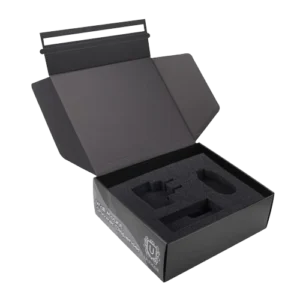
Cushioning absorbs shock during drops and impacts. Bracing stops the product from moving sideways, front to back, and top to bottom inside the carton. Blocking holds the item in a fixed position so it cannot touch the walls of the box. A good custom void fill packaging program usually needs all three, but the right material for each role is different. Foam excels at cushioning. Corrugated inserts and molded pulp excel at blocking and bracing. Loose paper and air pillows are efficient at filling empty volume so nothing shifts.
Thinking in these terms changes how you read a quote. A supplier who sells you more cushioning than you need will not fix a bracing problem. Likewise, a buyer who specifies thick foam around an item that only needed to be held still has added cost, weight and waste for no benefit. The first step in any selection project is to separate the three functions and decide which one is actually failing in your current shipments.
One practical way to assign these roles is to study where damage actually appears on returned units. Scuffed corners, snapped clips and rattled accessories point to a block or brace failure, which paper or corrugated inserts solve directly. Cracked glass, dented metal or cracked housings point to a cushion failure, which needs foam or thicker board. Matching the material to the observed failure mode is faster and cheaper than upgrading every layer at once, and it prevents the classic error of buying premium foam to fix a shifting problem that a sheet of paper would have solved.
Custom Void Fill Packaging: How to Choose the Material Family
The fastest way to narrow options is to map your product profile against the five mainstream families below. None is universally best. Each trades off cost, sustainability, automation and fragility protection in a different way, and the right answer depends on your item weight, shape, fragility, order volume and brand promise. Paper sourced under FSC rules comes with a verifiable certificate number.
In the sections that follow we cover kraft paper (including honeycomb as one option, not the whole story), air pillows and inflatable film, foam in both loose and molded form, molded pulp, and corrugated inserts. Read the comparison table first, then return to the family you think fits and read the deeper detail.
The Five Material Families, Compared
The Five Material Families, Compared is decided at the specification stage, so write the material, tolerance, and test before you approve the sample and the build matches your proof.

| Material family | Best fragility fit | Cost per shipment | Sustainability | Automation fit |
| — | — | — | — | — |
| Kraft paper, incl. honeycomb | Low to medium, scratch-sensitive | Low to medium | High, paper-based | High, on-demand dispensers |
| Air pillows and inflatable film | Low to medium, light items | Low | Low to medium, plastic film | Very high, inline inflators |
| Foam, loose fill and molded PE or EPE | Medium to high, shock-sensitive | Medium | Low to medium | Medium |
| Molded pulp | Medium, nested or shaped items | Medium | High, recycled fibre | Medium to high |
| Corrugated inserts and trays | Medium to high, fixed shapes | Medium | High, recyclable board | High, flat die-cut stock |
The table is a starting point, not a verdict. A heavy, shock-sensitive industrial part may need molded foam even though its sustainability score is weaker. A lightweight cosmetics set may be perfectly safe in kraft paper and should not pay for foam. The decision table below turns this into a practical rule.
A Decision Table for Matching Product to Material
Use this quick-match table to draft a shortlist before you request samples. Rate your product on weight, fragility and shape consistency, then read across.
| If your product is… | Primary risk | Recommended family | Avoid defaulting to |
|---|---|---|---|
| Light, flat, scratch-safe | Shifting in transit | Kraft paper or air pillows | Molded foam |
| Glass, ceramic, fragile | Impact and shock | Molded foam or corrugated braces | Loose paper only |
| Uniform shape, high volume | Cost and speed | Corrugated inserts, automated | Hand-packed foam |
| Odd shape, low volume | Void gaps | Custom dunnage inserts | Standard filler |
| Eco-positioned brand | Material story | Kraft paper, pulp, corrugated | Plastic air pillows |
This is where custom void fill packaging stops being a commodity purchase and becomes a design decision. The shortlist from the table should drive the RFQ you send, not the other way around.
Do not let the factory talk you into the material they stock in volume. Every supplier has a default, and the default is rarely the cheapest total solution for your specific item. Present your product profile first, ask which family their data supports, and request at least two material options in writing with the reasoning attached. A supplier who cannot explain why a material fits your fragility band is guessing, and guessing is what produces the next damage report on your desk.
Kraft Paper Void Fill, Including Honeycomb
Kraft paper is the most flexible and often the most sustainable option. It ships flat, dispenses on demand from a machine that crumples or folds it, and wraps irregular items snugly. For scratch-sensitive goods it is excellent because the paper conforms and cushions without a hard surface. Recyclability is strong and customers generally read paper as the responsible choice.
Honeycomb paper is one specialised form within this family. A kraft sheet is perforated and expanded into a honeycomb web that adds structural rigidity and a higher cushioning-to-weight ratio than flat crinkle paper. It is a strong option for bracing heavier items and for replacement of some foam, but it is one tool, not the entire answer. Buyers comparing only honeycomb paper against foam may miss that plain crinkle paper is cheaper for light voids while corrugated inserts beat both for repeatable, fixed shapes.
Mini Story: A Toronto stationery brand shipping enamel pins in rigid tins switched from foam pouches to on-demand crinkle kraft. Their damage rate barely moved, but pack-out time dropped and their unboxing photos improved because the paper read as craft rather than plastic. The decision was driven by brand fit as much as protection.
Air Pillows and Inflatable Film
Air pillows are polyethylene or biodegradable film bubbles inflated at the packing line. They are extraordinarily cheap per unit of void they fill and they are the most automation-friendly option, because inline inflators feed pillows straight into the carton. For light, non-fragile items they are hard to beat on speed and cost.
The trade-offs are sustainability and puncture risk. Standard film is plastic, and while it is light, it does not biodegrade and some markets restrict it. Puncture during handling can deflate a cushion. For genuinely fragile glass or electronics, air alone is a poor primary protector; it is better as a void-fill complement around a braced item than as the only line of defence.
Foam: Loose Fill and Molded PE or EPE
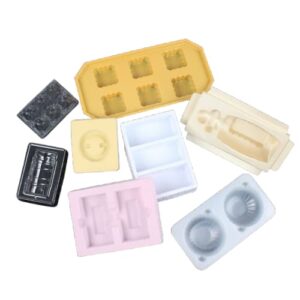
Foam remains the default for shock-sensitive products. Loose fill peanuts are fast to pour but migrate, create static, and read as low-value. Molded PE or EPE foam, cut or thermoformed to cradle a product, is the serious option: it cushions impact, returns to shape, and can be engineered to exact wall thicknesses.
The cost is material plus labour plus waste. Molded foam is excellent for one heavy, fragile SKU shipped in volume, but it is poor for mixed, variable orders because each shape needs its own tool or cut pattern. Where foam wins is high-value, high-fragility items where a single damage event costs more than the packaging many times over.
Molded Pulp and Corrugated Inserts
Molded pulp, made from recycled fibre, is the sustainability star for nested or shaped items such as bottles, cosmetics and electronics. It braces well, is curbside-recyclable in many regions, and presents a premium, paper-based unboxing. Its limit is design freedom: pulp suits consistent shapes produced at scale.
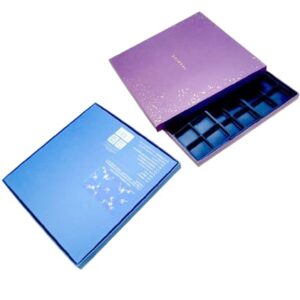
Corrugated inserts and trays are die-cut board pieces that fold into a fixed cradle inside the carton. They block and brace superbly, ship flat, and automate well because they are just printed and cut sheet. For products with a stable, repeatable geometry, corrugated inserts are often the lowest total-cost solution and the easiest to pair with a double-wall shipper for extra transit protection.
Mini Story: A Melbourne skincare label moved 30 millilitre glass dropper bottles from loose fill to a die-cut corrugated insert inside a custom double-wall box. Breakage fell from around four percent to under one, and the insert removed the hand-folded tissue step that had slowed their pack line every peak season.
The ISTA Mindset, Without the Jargon
You do not need a testing lab to think like one. ISTA, the internationally referenced transit test sequence, basically asks one question: can this package survive the real journey, not an ideal one? That means considering drop height by weight, vibration on a truck bed, and compression in a stacked container, not just a gentle shelf.
Apply that mindset qualitatively. Identify the worst single event your carton faces, usually the drop or the stack compression, and design the custom void fill packaging to survive that event with margin. A common mistake is over-engineering the cushion for a drop the product would never realistically take, while ignoring brace failure that lets the item rattle against the box wall for a thousand kilometres.
How Automation Reshapes the Material Choice
The material you can automate around often beats the material that is theoretically best, because labour is the largest cost term for most B2B shippers. Kraft dispensers, air-pillow inflators and corrugated insert folders all run inline at packing speed, while loose foam and hand-cut padding depend on a person with scissors and time.
For high-volume, single-SKU programs, design the protective system around what the machine can place consistently. That usually means a die-cut insert or an on-demand paper format rather than poured filler. For low-volume, mixed-SKU programs, flexibility matters more than speed, so a modular foam or adjustable paper system is the smarter buy even if it is slower per unit. The right answer follows your throughput, not a catalogue.
Right-Sizing to Reduce Material
The cheapest void fill is the void you eliminate. Oversized cartons force you to buy more protective material, pay more freight by volume, and create the movement that causes damage. Right-sizing the primary and secondary box to the product is the highest-leverage change most B2B shippers can make.
Work from the product dimensions plus the minimum clearance each protection layer needs, then standardise carton sizes so your line runs fewer SKUs of box. When the box fits, a thinner, lighter protective layer often does the job that a thick layer was covering for. This is also where corrugated inserts shine, because they let you brace tightly inside a snug carton instead of floating the item in filler.
Total Cost of Ownership, Not Unit Price
Buyers fixate on the per-unit material price and miss the real number. Total cost of ownership for custom void fill packaging is material plus labour plus damage rate, and labour is usually the largest hidden term.
A cheap loose fill that takes ninety seconds to pack costs more per parcel than a slightly dearer molded insert that takes ten seconds, once wages are included. Equally, a sustainable paper that cuts damage-related returns can pay for itself against a cheaper foam that fails occasionally. Build a simple model: material cost, seconds of labour, and expected damage percentage, then compare families on landed cost per good delivery rather than sticker price.
As an illustration, a foam pouch that takes ninety seconds to place can add several dollars of labour per parcel at a typical packed-labour rate, while a die-cut insert placed in fifteen seconds adds well under one dollar. The insert may cost slightly more in material but usually saves far more in labour, and it tends to lower damage as well. On volume, that labour gap alone can fund the tooling for a proper insert several times over.
When to Upgrade to Custom Dunnage Inserts
There is a clear trigger point for moving from generic filler to custom dunnage inserts. If your product is consistently shaped, shipped in meaningful volume, and either fragile or high-value, off-the-shelf void fill is leaving money and protection on the table.
Custom dunnage inserts, whether corrugated, foam or combinational, lock the item into a repeatable position so every carton is packed identically. That consistency is what reduces damage variance, speeds the line, and makes automated packing viable. If you are hand-folding filler around a fixed-shape product every day, that is the signal to invest in a proper insert rather than keep buying bags of filler.
Payback is usually quick once volume passes a threshold. The tooling or die for an insert is a one-time cost spread across the units it protects, and the labour saving accrues on every parcel from the first day. If your current damage and labour numbers are tracked, the break-even is simple arithmetic rather than a leap of faith, and most buyers reach it within the first few production runs rather than after a year of hoping filler would be enough.
7 Checks Before You Approve a Custom Void Fill Order
Run these seven checks before you release a deposit on a custom void fill packaging program.
- Define the failure mode, state whether the real risk is shock, vibration, brace failure or simple shifting, because each needs a different material.
- Right-size the carton first, confirm the box dimensions before specifying filler, so you are not protecting against voids you created.
- Match material to fragility, verify the chosen family actually fits your fragility band using the decision table above.
- Request a drop or transit simulation, ask the supplier for at least a basic drop test on the assembled pack, not just the material sample.
- Cost the labour, not just material, time the pack-out per unit and include wages in the comparison.
- Confirm sustainability claims, get recyclability or compostability evidence in writing if the material story matters to your brand.
- Validate automation fit, check the material works with your dispenser, inflator or insert folder before committing volume.
Points two and five are the ones most buyers skip, and they are the two that decide whether the program actually saves money.
A Buyer’s RFQ Checklist for Void Fill
Send these details together and a usable quote for custom void fill packaging comes back in one round rather than five.
- Product dimensions, weight and fragility rating, with the worst-case transit event noted
- Current damage rate and the target you need to reach
- Carton size you intend to use, or a request for right-sizing help
- Preferred material family, or ask for a comparison across two families
- Monthly or per-campaign volume, because automation payback depends on it
- Sustainability requirement, if any, stated as a hard constraint
- Automation already on the line, such as a paper dispenser or insert folder
RFQ line: Please quote custom void fill packaging for 8,000 glass jars, 120g each, current breakage 3.5 percent, target under 1 percent. Carton 300x200x200mm. Compare kraft honeycomb braces versus die-cut corrugated inserts, both paired with a double-wall shipper. Include material, pack-out labour estimate and a basic drop-test result. FOB Ningbo, delivery by 2026-11-20.
That level of detail is what separates a supplier who quotes a number from one who engineers a solution.
Connecting Void Fill to the Rest of the Pack
Custom void fill packaging does not exist in isolation. The outer carton, the insert and the filler are one system, and improving one without the others leaves performance on the table. A fragile item braced perfectly inside a carton that itself collapses under stack compression will still fail, which is why shipper choice matters as much as the internal material.
If your damage pattern points to the box rather than the filler, the issue may be wall strength or transit compression rather than void fill at all. In that case the fix is a stronger shipper or a better tray, not more foam. Treating the three layers as a system, and testing the assembled pack, is the discipline that turns a collection of purchases into a reliable protective program.
If you suspect the box is the weak link rather than the filler, send us photos of the failure and we will tell you whether a stronger shipper or a corrugated tray is the right next step before you change the void fill at all.
Where to Start This Week
The practical first move is unglamorous: open your last three damage reports and write down the actual failure mode for each. Shock, shift, brace or compression. Then match that mode to a family from the decision table and request two comparable quotes. Most B2B buyers find they have been over-specifying one layer and under-specifying another.
If you are unsure whether your problem is filler, insert or shipper, send us your product dimensions, current carton and damage photos. We will return a shortlist of material families with a pack-out cost model so you can choose on total cost rather than unit price.
Ready to stop guessing on protective material? Send us your product specs and damage rate, and we will quote two void-fill systems side by side with labour and return-cost modelled in.
FAQ
What is custom void fill packaging and when do I need it?
Custom void fill packaging is the protective material placed inside a carton to block, brace and cushion a product during transit. You need it whenever items shift, rattle or break in transit, or when generic filler fails to hold a specific shape. It becomes essential for fragile, high-value or consistently shaped goods shipped in volume, where repeatable protection lowers damage and labour cost together.
Which void fill material is most sustainable?
Paper-based kraft, molded pulp and corrugated inserts are the strongest sustainability choices because they are fibre-based and widely recyclable. Air pillows and most foams use plastic film or petrochemical feedstock and score lower, though recycled-content and compostable films are improving. Choose the material whose environmental story matches your brand, but only after confirming it meets the fragility protection your product requires.
How do I calculate the true cost of void fill?
True cost is material plus labour plus damage rate, not the per-unit price of the filler. Time the pack-out per unit and include wages, then add the cost of returns from breakage. A cheaper loose fill that takes ninety seconds often costs more than a dearer insert that takes ten, once labour is counted. Compare families on landed cost per good delivery for an honest picture.
When should I switch to custom dunnage inserts?
Switch when your product is consistently shaped, shipped in real volume, and either fragile or high-value, because off-the-shelf filler then wastes labour and protection. Custom dunnage inserts lock the item in a repeatable position, cut damage variance and enable automation. If you hand-fold filler around the same fixed shape daily, that is the signal to invest in a proper insert.
Is kraft paper better than foam for fragile items?
Not always. Kraft paper and honeycomb excel at blocking, bracing and scratch protection for light to medium items, and they read as sustainable. Foam, especially molded PE or EPE, remains superior for shock-sensitive and heavy fragile products because it absorbs impact. The right choice depends on your failure mode, so match material to fragility rather than assuming one family wins overall.
Can void fill solve box compression damage in transit?
Void fill alone cannot fix a carton that collapses under stack compression, because the failure is in the outer box, not the internal filler. If damage appears as crushed walls or crushed products under load, upgrade to a stronger shipper such as a double-wall box, or add a corrugated tray for rigidity. Treat filler, insert and shipper as one system and test the assembled pack together.
What should I specify when ordering custom void fill packaging?
Start with the build itself: material, size, print, finish, and any insert, then name the tolerance and the test. At Allen Paper Products we confirm the build with a pre-production sample (PPS) before any bulk run, so the order matches your approved proof.
How long does it take to get custom void fill packaging made and delivered?
Lead time runs from about 7-10 days for a sampled reorder to 20-35 days for a new custom build including proofing and production. Based on Allen Paper Products production data (2024-2026), most overseas buyers plan 4-6 weeks door-to-door.