Material Fundamentals & Selection
Q: What are the primary types of custom packaging material for luxury boxes?
A: The core materials for Material of customized boxes include Art Paper (premium finish), Coated Cardstock (excellent print surface), Kraft Paper (natural, durable), and specialty stocks like Metallic Cardstock, Leatherette, and Textured Embossed Papers.
Q: How do I choose between paper weights (e.g., 250gsm vs 350gsm)?
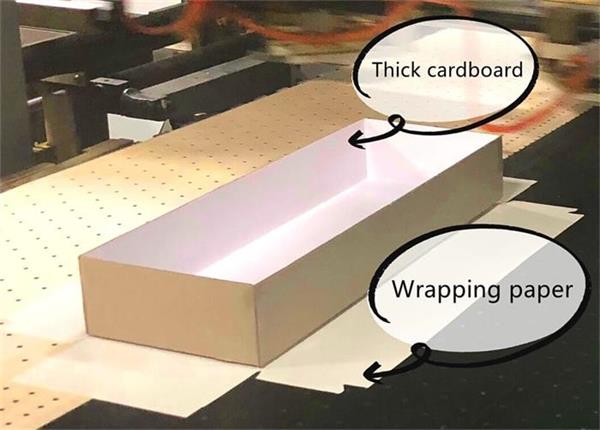
A: Weight directly correlates with durability. Use 250-300gsm for lightweight retail boxes. For luxury rigid boxes that require structure and heft, 350-400gsm paperboard or 2-3mm greyboard is recommended. Thinner materials risk deformation.
Technical Specifications & Performance
Q: What are the key performance differences between a standard and a coated paper bag?
A: A Coated paper bag has a polymer layer (PE) that provides water and grease resistance, making it ideal for food or products prone to moisture. Uncoated bags offer a natural feel and are easier to recycle but lack this barrier.
Q: How is material strength measured for wholesale bags?
A: The strength of Material of wholesale bags is measured by ECT (Edge Crush Test) for corrugated boxes (higher ECT = more stacking strength) and Bursting Strength (Mullen Test) or GSM (Grams per Square Meter) for paper, indicating density and durability.
Cost, Durability & Common Defects
Q: What are the most common material-related defects in shipping?
A: Common issues include: Material too thin leading to crushing, warping/deformation from humidity, glue failure causing seams to split, and ink rubbing from poor surface treatment. Proper Customized Packaging Material selection and specification prevents these.
Q: How does material choice impact the cost of my packaging?
A: Custom packaging material costs scale with quality. Standard kraft is most economical. Coated Cardstocks, Heavy-weight Boards, and Specialty Papers (metallic, textured) increase cost by 20-100%. The right choice balances protection, presentation, and budget.
Sustainability & Eco-Options
Q: What are the best eco-friendly custom packaging material options?
A: Leading options include Post-Consumer Recycled (PCR) Cardstock, FSC-ready Virgin Paper, Uncoated/Kraft Papers (widely recyclable), Molded Pulp (for inserts), and Plant-based/Compostable PLA Coatings as an alternative to PE.
Q: Is biodegradable or compostable material less durable?
A: Not necessarily. Modern compostable materials like certain bioplastics (PLA) and high-quality recycled pulps can offer excellent short-term durability. Their lifespan is designed to match the product’s use cycle before breaking down in industrial composting facilities.
Surface Treatments & Finishing
Q: What are the standard surface treatment options and their purposes?
A: Common treatments are: Lamination (gloss/matte film for protection & shine), Aqueous Coating (water-based, recyclable), Scratch-Resistant Coatings, and Soft-Touch Lamination (velvet feel). These protect the print and enhance user experience.
Q: How do special finishes like foil stamping affect material choice?
A: Foil stamping and embossing work best on smooth, coated stocks. The custom packaging material must have a consistent surface density to accept heat and pressure without burning or cracking. Textured or uncoated papers may not yield a crisp result.
Advanced Material Applications
Q: What material is best for a reusable gift bag or tote?
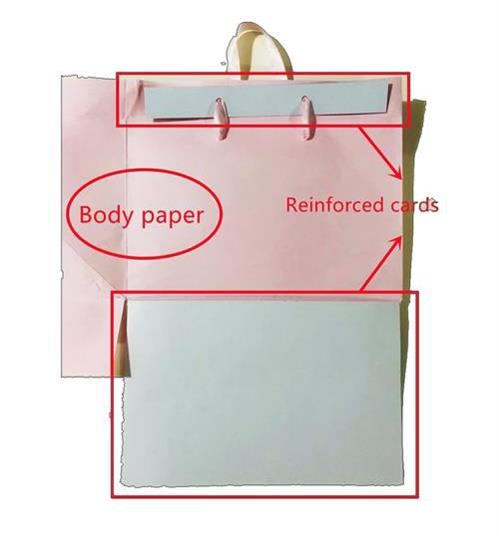
A: For durable wholesale bags, choose high GSM Kraft Paper (180+) with reinforced handles and bottoms, or Non-Woven PP (Polypropylene) fabric, which is water-resistant, strong, and allows for vibrant printing.
Q: Can you print on the inside of a coated paper bag?
A: Yes, but it requires specific ink compatibility and increases cost. The Coated paper bag interior must be treated to accept ink adhesion. This is a premium feature for high-end Customized Packaging Material.
Industry Compliance & Safety
Q: What material certifications should I request for food-contact packaging?
A: For direct or indirect food contact, require FDA Compliance certificates for inks and substrates, and consider BPA-Free and ISO 22000 certifications for the manufacturing facility. This is crucial for bakery or gourmet wholesale bags.
Moisture & Climate Considerations
Q: How can I prevent my packaging from becoming damp or moldy in humid climates?
A: Specify humidity-resistant materials or treatments. Use PE-coated paper, incorporate desiccant packets, ensure water-based adhesives are fully cured, and request proper barrier packaging (plastic wrapping) for sea freight shipments.
Samples & Validation
Q: How can I physically test material durability before ordering?
A: Always request material swatches or blank sample bags/boxes. Perform simple tests: crumple, tear, and moisture exposure. For shipping, conduct a drop test with a weighted dummy product to validate the Material of customized boxes.
Printing & Color Reproduction
Q: How does material color affect my brand’s print colors?
A: Material base color dramatically alters print outcomes. Printing on brown kraft requires a white underbase for color accuracy. White-background materials like Coated Cardstock provide the truest color reproduction for your custom packaging material.
Innovative & Smart Materials
Q: Are there “smart” or interactive material options?
A: Yes, innovative Customized Packaging Material includes Scratch-and-Sniff coatings, Thermochromic Inks (color change with temperature), and Conductive Inks for integrating NFC/RFID tags into packaging structures.
Recyclability & End-of-Life
Q: How do lamination and coatings affect the recyclability of my packaging?
A: Traditional plastic film lamination makes paper difficult to recycle. For better recyclability, specify Water-based Aqueous Coatings or seek Polyethylene (PE)-free laminations that are designed to separate in the recycling stream.
Supplier Sourcing & Specifications
Q: What questions should I ask my supplier about material sourcing?
A: Key questions: What is the material’s country of origin and mill source? Can you provide FSC or PEFC Chain of Custody certification? What is the post-consumer recycled (PCR) content percentage? Are the inks and adhesives non-toxic and compliant?
Future-Proofing & Trends
Q: What are the emerging trends in sustainable custom packaging material?
A: Trends include Mycelium-based foam (grown from mushrooms), Seaweed/Algae Films, Advanced Paper Blends with high recycled content, and Digital Finishing that reduces waste by applying effects like foil only where needed, minimizing material use.