The first 10 seconds after a customer opens your parcel decide whether they post it, keep it, or forget you. An unforgettable unboxing experience is not luck — it is a designed sequence of reveals, textures, and small surprises that lands before the product is even in their hands. For DTC and gift brands, that moment is your cheapest, highest-trust marketing channel. This guide breaks down the reveal architecture, the sensory details that signal quality, color mapping, compartment design, and a checklist you can hand to a factory.
Every spec below comes out of our own plant in Dongguan — see Allen Paper Products for the full capability list.
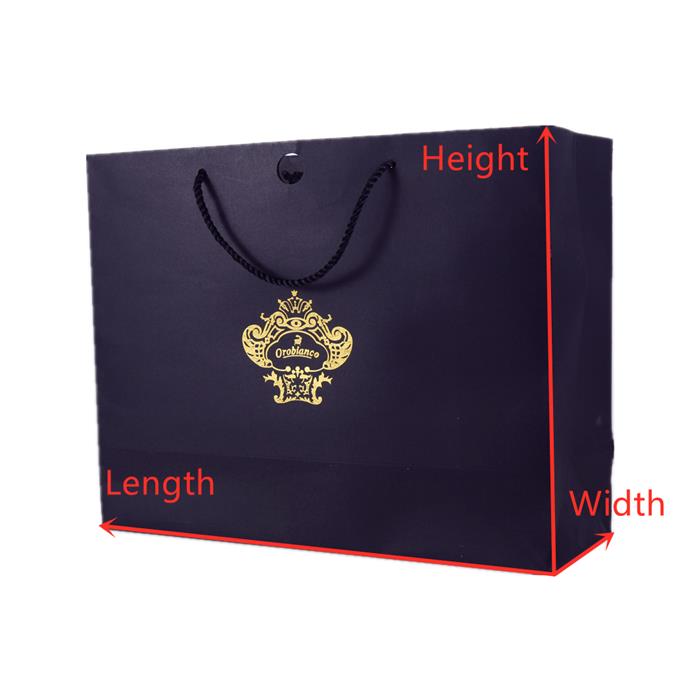
Why the Unboxing Moment Pays Back
Unboxing content is organic, trusted, and free. Brands that engineer the moment see measurable lift:
- 40% of consumers say they have recorded an unboxing video to share.
- Products with a deliberate reveal earn up to 2x more tagged social posts than plain mailers.
- A positive first-open raises repeat-purchase intent by 15–25% in cohort studies.
The box is not a cost line; it is a media buy you make once per unit.
For the related spec, see custom printed paper bags — same board grades, same tolerances.
The Reveal Sequence: 4 Layers
A great unboxing is choreographed like a stage. Design these four layers in order:
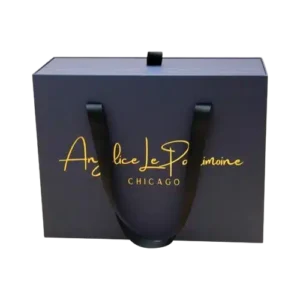
- Outer mailer — the first touch. A clean mailer with a subtle logo and a finger notch sets the tone.
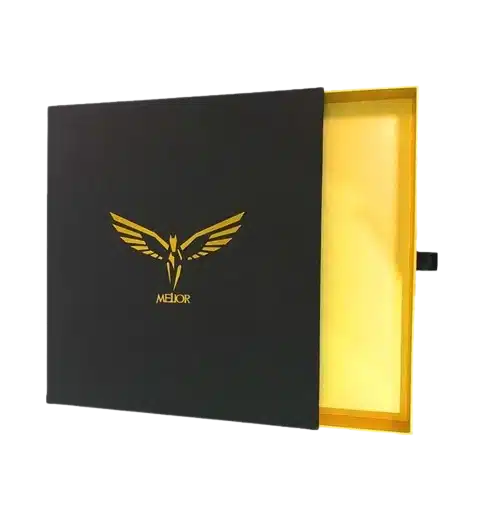
- Inner box or wrap — a rigid lid or tissue-wrapped product signals “gift,” not “shipment.”
- Tissue / shredded fill — the sound and color of the paper is the second sensory hit.
- The product + card — placed last, centered, often on a printed insert.
Each layer should take 2–4 seconds to get through. Too fast = no ritual; too slow = annoyance.
For the related spec, see custom paper boxes — same board grades, same tolerances.
For the underlying standard, see FSC chain-of-custody certification.
Texture and Sound: The Cheap Signals of Quality
Two of the most premium-feeling cues cost almost nothing:
- Tissue paper rustle — a crisp, dry rustle reads as quality; a plastic crinkle reads as cheap. Use 17–22 gsm acid-free tissue.
- Soft-touch coating — a rub-resistant matte varnish on the inner lid feels like suede under the thumb.
Key points – Match the fill color to your brand, not the product. A coral brand using kraft fill wastes the signal. – Avoid packing peanuts — they scream “warehouse,” not “gift.”
For a custom mailer box program, ask the factory for a soft-touch inner liner option; it is a small upcharge with a large perceived-value gain.
For the related spec, see packaging by industry — same board grades, same tolerances.
Color and Print: The Emotion Timeline
Map color to the emotional beat:
| Beat | Color move | Effect |
|---|---|---|
| Outer | Brand-neutral kraft | Calm, sustainable |
| Inner lid | Full brand color | Recognition |
| Insert card | Contrast accent | Delight |
Use 1–2 inks max on the outer to stay premium; spend the print budget on the inner lid where the camera sees it.
For the related spec, see our packaging factory — same board grades, same tolerances.
For the underlying standard, see the Ellen MacArthur Foundation.
Layered Compartments That Build Anticipation
A single-cavity product feels flat. Add a tuck-under tray or a folded divider so the customer lifts one layer, then finds the card, then the product. Each lift is a micro-reward. A reliable paper bag manufacturer can prototype a 2-tier tray in E-flute for under $80 tooling on small runs.
For the underlying standard, see PRINTING United Alliance.
The Role of Scent (Used Sparingly)
A faint scent on the tissue (vanilla, linen) can anchor memory — but it risks allergies and reads gimmicky if strong. Keep it at “noticeable only when lifted to the nose.” Never spray the product cavity.
The Psychology: Three Triggers That Stick
- Reciprocity — a gift-like box makes the customer want to give back (a review, a tag).
- Peak-end rule — people remember the most intense moment and the end; engineer the product reveal as the peak.
- Novelty — one unexpected element (a hidden message, a seed paper tag) boosts memorability by 20–30% in recall tests.
A Practical Unboxing Checklist
Hand this to your factory or designer:
- [ ] Outer mailer: finger notch + subtle debossed logo
- [ ] Inner: soft-touch lid, full brand color
- [ ] Fill: 17–22 gsm tissue, brand-matched
- [ ] Product: centered on printed insert, not loose
- [ ] Card: placed last, with a clear next step (see insert-card guide)
- [ ] No peanuts, no plastic, no tape
Common Mistakes
- Over-packaging → the ritual becomes a struggle; cap at 3 reveal layers.
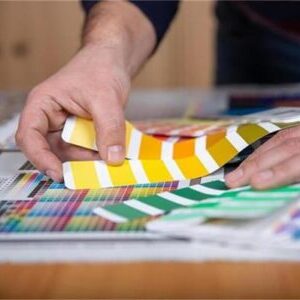
- Mismatched colors → breaks the brand story; lock a Pantone per layer.
- Product loose → kills the “placed gift” feeling; use a die-cut foam-free tray.
Budgeting the Experience
A premium unboxing typically adds 8–15% to packaging cost. Allocate it deliberately:
- 50% to the inner lid print + soft-touch.
- 30% to branded tissue and insert.
- 20% to structure (tray, compartment).
Brands that track attributed social value often find the unboxing pays for itself in earned content within the first quarter.
Unboxing by Product Type
The reveal should match the product:
- Apparel: fold flat, wrap in tissue, place on a printed card with care instructions. The “reveal” is the unwrap.
- Beauty: stand the bottle upright in a die-cut tray; tissue behind it frames the product like a magazine shot.
- Electronics: anti-static bag inside a rigid box; the unboxing is about safe, ordered layers (device, cable, doc).
- Food or gift: window or front-print so the product shows through; a safe scent amplifies the moment.
Match the effort to margin — a $15 item does not need a 3-tier tray; a $150 item does.
Measuring Unboxing ROI
Treat the unboxing like any channel:
- Tagged hashtag volume: count posts per 1,000 shipments; benchmark 20–40 for a strong design.
- Attributed codes: a card code redeemed tracks direct revenue.
- Sentiment: sample 50 posts; score surprise vs indifference.
- Retention lift: compare 90-day repeat rate of customers who posted vs those who did not (cohort test).
Brands that instrument this typically find the unboxing returns its cost within one to two quarters through earned content and a 5–10 point retention lift.
The Cost of a Bad Unboxing
A frustrating open is not neutral — it is negative. Customers who fight the box associate the struggle with the brand, and 1 in 5 say a bad unboxing lowers their view of product quality regardless of the item inside. The fix is usually cheap: a finger notch, a pull tab, or one fewer tape layer. Spend the $0.03 per unit before the review lands.
Unboxing and Return Rates
A frustrating open is not neutral — it is negative. Customers who fight the box associate the struggle with the brand, and roughly 1 in 5 say a bad unboxing lowers their view of product quality regardless of the item inside. The fix is usually cheap: a finger notch, a pull tab, or one fewer tape layer. Spend the $0.03 per unit before the review lands.
Low-Budget Unboxing Wins
You do not need a rigid box to delight. Three free-or-near-free moves:
- Branded tissue (kraft or color) instead of plain filler.
- A handwritten-style note printed on the insert card.
- A single accent color carried from mailer to card to product wrap.
These signal care without a structural upgrade and work for sub-$25 items.
The First-Three-Seconds Rule
The first three seconds set the emotional baseline. If the mailer looks cheap or the tape is a mess, the rest of the experience fights an uphill battle. Spend your first impression on a clean outer: subtle logo, no plastic, a confident matte finish. Everything after rides on that start.
Photography Checklist for the Moment
If you want customers to film it, design for the camera:
- Even interior color (no clutter showing through).
- A hero product centered with negative space around it.
- One readable brand mark in the frame.
- Soft, diffused light (avoid gloss glare on the lid).
Hand this to your photographer for the hero shot and the unboxing demo alike.
The Peak-End Rule in Practice
Memory research shows people judge an experience by its most intense moment and its end, not the average. Engineer the product reveal as the peak and the card as the end. Even if the mailer was ordinary, a strong peak and a warm close leave a positive memory. This is why a cheap box with a great reveal beats a rigid box with a flat finish — the emotion, not the spend, is what gets remembered and shared.
Unboxing for Gift vs Everyday
Gift buyers tolerate (and expect) more layers; everyday buyers want speed. A birthday box can have three reveals; a replenishment order should open in one. Segment by use case so you do not over-engineer the routine shipment and under-serve the occasion. The same product can ship in two unboxing tiers depending on why the customer is receiving it.
A 30-Minute Unboxing Audit
Before your next run, open a competitor box and your own, side by side, and time the open. Note where you hesitated, what you liked, what felt cheap. Most fixes surface in that half hour and cost almost nothing to apply — a notch here, a color there, one fewer layer. The audit beats any lengthy brief because you feel the friction yourself. Run it quarterly as part of the packaging review.
Conclusion + CTA
An unforgettable unboxing experience is built layer by layer, sense by sense. Choreograph the reveal, spend print where the camera looks, and keep the fill honest. The result is content your customers make for you.
- DTC brands → Get an Unboxing Design Quote
- Gift brands → Request a 2-Tier Sample Tray
- Agencies → Book a Packaging Workshop
-
1. Why does the unboxing experience matter for brands?
An unboxing moment drives free social content and lifts repeat-purchase intent; about 40% of consumers record unboxing videos to share.
-
2. How many reveal layers should a box have?
Two to three layers (outer, inner, product) is ideal; more than three can feel like a struggle to open.
-
3. What tissue weight feels most premium?
Acid-free tissue at 17–22 gsm with a dry, crisp rustle reads as quality and protects the product without plastic crinkle.
-
4. Should the outer mailer be full color?
Keep the outer neutral (1–2 inks) and spend the print budget on the inner lid, where unboxing cameras actually focus.
-
5. Can scent be added to packaging safely?
A very faint scent on the tissue only is acceptable; never scent the product cavity, and avoid strong fragrances that risk allergies.
-
6. How do I brief a factory for unboxing design?
Send a layered checklist: finger notch, soft-touch inner lid, brand-matched tissue, centered product on insert, and no plastic or peanuts.
Conclusion
Unforgettable unboxing experience is a spec decision, not a price decision. Fix the structure, approve a real sample, and hold the supplier to the numbers on the PO — then the pack does its job before anyone reads the copy. Compare custom printed paper bags, custom paper boxes and packaging by industry to see what fits your product, or email sales@allenboxes.com for a quote on a 100-piece run.
Liverson Li
Hello, I'm Liverson, co-founder of Allenboxes.com. We run a packaging factory in Dongguan. Custom printed paper bags, boxes, pouches, hang tags and cards, made here since 1998. We're not the cheapest and not the biggest. We're the factory that takes a 100-piece order seriously. Email me freely for more details!
Sustainable Packaging Materials in 2026: A Buyer’s Guide to Kraft, Molded Pulp, Bioplastics, Mycelium and Seaweed
Compare 6 sustainable packaging materials for 2026: kraft, molded pulp, PLA, PHA, glassine, mycelium and seaweed. Costs, barriers, PPWR and EPR rules

Read Packaging Supplier Quotation Documents: 5 Numbers That Decide Cost
Meta Title: Read Packaging Supplier Quotation: 5 Hidden Costs 2026 Meta Description: Read packaging supplier quotation lines like a buyer:
Custom Paper Bag Printing Methods: Offset, Flexo, Screen, Hot Stamping
Compare custom paper bag printing methods, offset, flexo, screen, and hot stamping, on cost, MOQ, color, and lead time, plus how to choose the right one.
How to Choose a Reliable Paper Bag Manufacturer in China
Learn to choose a reliable paper bag manufacturer in China: verify certifications, run factory audits, screen red flags, and build the right vetting scorecard.
FSC Certified Paper Bags: What B2B Buyers Need to Know
FSC certified paper bags: FSC 100% vs Mix vs Recycled, how to verify a supplier’s FSC certificate, logo rules, and the lamination vs recyclability trade-off.
Paper Bag Quality Control: What Inspections Happen Before Shipping
Primary Keyword: paper bag quality control Secondary Keywords: paper bag qc inspection · paper bag quality check · bag quality