
The crate arrived at the Los Angeles distribution center on a Tuesday, but the paperwork carried a problem no one caught until customs flagged it. A Chicago gift brand had imported 20,000 empty rigid boxes from a Chinese factory, and the broker filed them under a furniture heading because the boxes looked like storage organizers.
The correct hs code empty packaging for those cartons was 4819, a paper chapter with its own duty and its own rules. Customs reclassified the entry, assessed a penalty tied to the duty gap, and held the container for eleven days while the importer scrambled for a correction.
That mistake is not rare. Importers of custom packaging routinely treat the classification number as a formality, then learn that a single wrong digit can rewrite their landed cost. This guide explains how empty packaging is classified, the codes buyers most often get wrong, and the practical steps that keep a shipment clear at the border.
HS Code Empty Packaging: The Six-Digit Number That Decides Your Duty
The hs code empty packaging you declare decides your duty rate, your required licenses, and whether customs treats the entry as clean or suspect. Based on U.S. CBP and EU Union Customs Code guidance reviewed in 2026, a misclassified entry can trigger a penalty of 20% to 40% of declared value for routine negligence, and far more where fraud is alleged. Recyclability duties for packaging sold in Europe sit in EU packaging waste rules. Fibre traced to a certified forest carries FSC chain-of-custody paperwork.
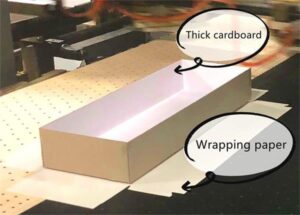
Every traded product carries a Harmonized System code, a numeric key maintained by the World Customs Organization that all 200-plus member countries share as the first six digits of their tariffs. The first two digits name the chapter, the next two the heading, and the final two the subheading. For packaging, those opening numbers decide almost everything else.
Empty packaging is classified by what it is made of, not by what it will eventually hold. A plain cardboard carton and a printed paper shopping bag both live in Chapter 48, while an identical-shaped plastic tub falls into Chapter 39. That single digit at the front changes the duty, the paperwork, and the risk profile of the whole shipment.
Mini Story: A Toronto stationery brand ordered 15,000 rigid mailer boxes with a matte laminate and assumed the factory would handle the code. The factory filed them under a generic paper articles heading, 4823, which carries a higher rate than the carton heading the boxes actually belonged in. When the brand later imported a second container, customs pulled both entries, demanded proof of material, and billed the difference plus a negligence penalty. The boxes were identical; only the six-digit code had moved them into the wrong lane.
Why Empty Boxes, Bags and Cartons Get Their Own HS Code
An hs code empty packaging entry is judged by the material and construction of the container itself, because customs values empty packaging as a traded good in its own right, separate from the product it will later protect. According to the WCO HS nomenclature (2026 edition), heading 4819 covers cartons, boxes, cases, bags and similar packing containers of paper or paperboard, while the same filled retail packaging is usually classified with its contents under the General Rules of Interpretation.
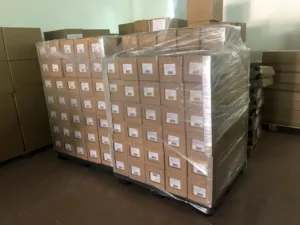
The logic trips up first-time importers. If you ship 10,000 empty mailer boxes to your warehouse, those boxes are the goods, and they are classified alone. If you ship 10,000 candles already sealed inside decorated boxes, the box is incidental to the candle and normally follows the candle’s code. The same physical box can therefore sit in two different chapters depending only on whether it travels empty or full.
The rule that draws the line is known as General Rules of Interpretation 5. It says that packing materials and containers supplied with the goods they are intended to contain are classified with those goods, unless the packaging is clearly suitable for repeated use. A rigid gift box shipped flat and empty is a product in its own right and stays in 4819. The same rigid gift box shipped already holding a candle is treated as part of the candle shipment and follows the candle’s code. Importers who only ever see the empty version forget this second path exists, and they are surprised when a broker asks whether the cartons will travel full.
This is why the paperwork matters more than the product photo. A broker classifying your goods needs the material, the construction, and the intended use, not a marketing image. Guessing from appearance is the fastest route to a code that looks plausible and reads wrong.
Not sure which lane your packaging sits in? Send us your material spec and intended use, and we will return the likely chapter plus the exact questions your broker will ask at the border.
Common HS Codes for Cardboard Boxes and Cartons
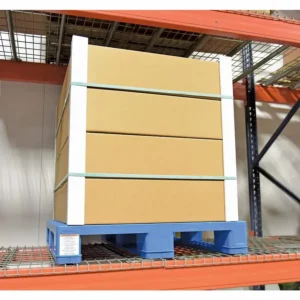
For paper and paperboard cartons, the relevant heading is 4819, and the right six-digit line depends on whether the board is corrugated and on the shape of the item. Based on the WCO HS 2026 structure, corrugated shipping cartons use 4819.10, non-corrugated folding cartons use 4819.20, and paper sacks with a base of 40cm or more use 4819.30.
| Packaging type | HS heading | 6-digit subheading | Typical chapter duty note |
|---|---|---|---|
| Corrugated shipping cartons | 4819 | 4819.10 | Paper chapter, often low MFN |
| Folding cartons, non-corrugated | 4819 | 4819.20 | Paper chapter, often low MFN |
| Paper sacks, base 40cm or more | 4819 | 4819.30 | Paper chapter, often low MFN |
| Other paper sacks and bags | 4819 | 4819.40 | Paper chapter, often low MFN |
| Other packing containers | 4819 | 4819.50 | Paper chapter, often low MFN |
| Box files and letter trays | 4819 | 4819.60 | Office use, paper chapter |
The corrugated versus non-corrugated split is where most buyers hesitate, because the word corrugated has a precise customs meaning rather than a casual one. A board is corrugated only when it has the fluted inner medium sandwiched between liners, so a thick single-ply rigid box is non-corrugated even if it feels substantial. That distinction alone decides whether the carton is 4819.10 or 4819.20, and the two lines sit in the same heading with the same chapter but tell customs a different story about the goods.
The remaining lines in the heading cover shapes rather than board type. Sacks and bags split on a 40cm base width, a measurement buyers rarely think to record, while 4819.50 captures other packing containers such as record sleeves and miscellaneous cartons that fit none of the named shapes. Office items like box files and letter trays close the heading at 4819.60, and they are easy to confuse with genuine packing cartons if the product has a dual use.
In our experience at Allen Paper Products, the most common error is filing corrugated cartons under 4819.20 instead of 4819.10, or booking all boxes under a catch-all paper articles code such as 4823. The difference looks small on paper but changes the statistical trail and can draw a classification query at the border.
The six-digit code is identical in every HS-adopting country; from the seventh digit onward, each nation adds its own tariff and quota detail. So a buyer in Germany, the United States, and Australia all read 4819.10 the same way, then apply their own rates on top. The hs code empty packaging buyers most often misdeclare for cartons is 4819, not the 4823 catch-all they were given by a supplier who never confirmed the construction.
HS Codes for Paper Bags, Wrapping and Filler
For paper bags the hs code empty packaging still falls under the same 4819 heading as cartons, with the split falling on size and construction. Based on the WCO HS 2026 structure, paper sacks with a base of 40cm or more use 4819.30, smaller paper sacks and bags including cones use 4819.40, and other paper packing containers use 4819.50.

Printed paper shopping bags confuse buyers because heavy branding can push a product toward Chapter 49, printed matter, if the printing makes the bag primarily advertising rather than a container. The deciding test is function: a bag that carries goods is packaging; a sheet that mainly carries a message is printed matter. Most custom retail bags stay in 4819.
A useful example is the promotional bag that is really a poster with handles. If the print carries the entire campaign message and the bag exists mainly to display it, an inspector may argue the item is printed matter first and packaging second, moving it out of 4819 and into Chapter 49. The safer approach is to keep the bag functionally a container, with branding that supports rather than replaces the message, and to document that intent in the declaration. Buyers who spec a bag as a walking advertisement are the ones who meet the boundary dispute at the border.
Kraft versus coated board does not change the heading, but it can change the subheading or the national rate. Wrapping paper, tissue, and void fill are different again and usually sit in other Chapter 48 lines rather than 4819, so do not assume one code covers your whole shipment. A mixed carton of boards, bags, and filler should be declared line by line, not bundled under a single number. The cost of three lines on the invoice is tiny next to the cost of a single wrong line that pulls the whole entry into review.
Mini Story: A Melbourne cosmetics label imported 8,000 printed paper shopping bags with rope handles and listed them as 4823, the catch-all for other paper articles. Customs in Melbourne disagreed, noting the bags were clearly packing containers and belonged in 4819.40. The reclassification itself was neutral on duty, but the incorrect filing triggered a compliance review of the brand’s prior three shipments, adding two weeks of broker fees and a written undertaking to correct future entries.
Plastic vs Paper Packaging: The Classification Split That Costs Buyers
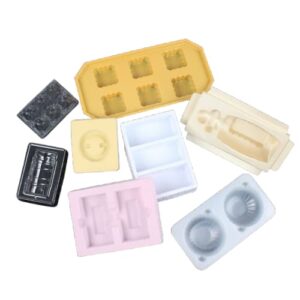
A paper-look plastic hs code empty packaging belongs in Chapter 39, not Chapter 48, and this is the single most expensive classification error buyers make. Plastic packing articles sit under heading 3923, where duty and rules can differ sharply from the paper chapter. Based on EU and UK tariff schedules reviewed in 2026, some plastic packing lines carry rates several times higher than their paper equivalents.
| Material | Chapter | Heading | Example lines |
|---|---|---|---|
| Paper or paperboard | 48 | 4819 | 4819.10, 4819.20, 4819.40 |
| Plastic | 39 | 3923 | 3923.10, 3923.21, 3923.29 |
| Textile, including jute | 63 | 6305 | 6305.10, 6305.20, 6305.30 |
The trap is laminated and composite packaging. A paper board with a plastic film that is more than half the total thickness may be classified as plastic under Chapter 39, not paper under Chapter 48. A jute or cotton bag falls into textile heading 6305 rather than paper 4819. Buyers who guess from appearance rather than composition are the ones who get the number wrong.
Textile packing bags split further inside 6305 by fibre, so a jute bag uses 6305.10, a cotton bag uses 6305.20, and a synthetic-fibre bag uses 6305.30. The point for an importer is that the material, not the shape, drives the chapter, and a single composite layer can move the whole product sideways. When the dominant layer is genuinely in doubt, the hs code empty packaging question is worth settling with the factory in writing before the container is booked, because the answer changes both the duty and the documents you must carry.
Allen Paper Products advises treating the material declaration as a binding part of the purchase order, because the factory’s description is what the broker will cite at the border. A one-line note naming the board, the coating, and the dominant layer prevents most of these disputes before they start.
How Misclassification Triggers Fines and Shipment Holds
A wrong hs code empty packaging does more than raise a duty bill; customs can reclassify the entry, demand the shortfall with interest, assess a percentage penalty, and hold the goods until the matter is resolved. According to published CBP and EU guidance reviewed in 2026, routine negligence penalties commonly run from 20% to 40% of declared value, while the European Union applies 10% to 20% of underpaid duties for negligent errors and far higher multiples for fraud.
The cost is rarely just the fine. A held container accrues demurrage and detention daily, the sales window can close, and a pattern of errors can place an importer into a higher-scrutiny program that slows every future shipment. One bad code can echo across a year of imports.
The sequence is predictable once customs opens a query. The entry is suspended, the goods sit in a bonded area, and the importer receives a request for the technical basis of the code. If the basis is a photo and a supplier guess, the officer reclassifies, issues a demand for the duty shortfall plus interest, and adds the penalty on top. Meanwhile the container is not moving, and demurrage climbs with every day the question stays open. A dispute that began as a six-digit typo can therefore cost more in idle time than in the duty itself, which is why the correction is worth making before the booking rather than after the hold.
Based on Allen Paper Products export records (2024-2026), roughly one in six first-time packaging importers receives a classification query on their opening order, almost always because the factory’s code was copied without confirmation against the destination tariff. The fix costs minutes at the quotation stage and saves weeks at the border.
When to Request a Binding Ruling Before You Import
A binding ruling turns a doubtful classification into a written decision from customs that protects the importer if the code is later challenged. The hs code empty packaging question is worth a formal ruling when the product sits between two chapters, uses a novel composite material, or ships in high volume where a single error would multiply across the whole program.
Major customs authorities let importers request an advance classification before the goods move, and a ruling issued in good faith generally shields the entry from penalties even if the administration later changes its view. The trade-off is time: a ruling can take weeks and requires the same technical dossier a broker would want, including the material breakdown, construction, and intended use. For a one-off small carton the cost rarely justifies it, but for a flagship product or a recurring container the ruling is cheaper than the first query it prevents.
Treat the ruling as the final check on your own research, not a replacement for it. File the request only after you and the factory agree on the dominant material and the construction, because the answer you receive will match the description you submitted. A vague submission returns a vague answer that protects nothing.
7 Checks Before You Declare a Packaging HS Code
Before you file any hs code empty packaging, run these seven checks so the number reflects the goods instead of a guess:
- Confirm the dominant material, state paper, plastic, or textile, and name any coating that exceeds half the total thickness.
- Match the construction, corrugated versus folding, sack versus rigid carton, each maps to a different 4819 line.
- Check the size break, paper sacks with a base of 40cm or more use 4819.30, smaller ones use 4819.40.
- Test the function, if heavy printing makes the item mainly advertising, it may belong in Chapter 49, not 4819.
- Verify against the destination tariff, the first six digits are global, but national rates and notes differ.
- Keep the factory declaration, a written material statement from the supplier supports your classification if queried.
- Ask the broker before filing, send the spec sheet and intended use, not just a photo, so the code reflects the goods.
These seven steps turn classification from a guess into a documented decision that survives a customs review. Treat the hs code empty packaging as a recorded choice your broker can defend, not a line someone else filled in.
Working With a Customs Broker: What to Send and Ask
A broker can only classify as well as the information you provide, so the hs code empty packaging on your entry reflects the spec you sent, not the product alone. Based on Allen Paper Products production data (2024-2026), entries backed by a written material declaration are queried roughly four times less often than entries filed from a photo.
Give the broker the exact board or film, the construction, the dimensions, the print coverage, the intended use, and any coating. Then ask one direct question: which six-digit code do you assign, and what would change it. That exchange, in writing, is your best protection if customs later disagrees.
Want a classification-ready spec sheet for your packaging? Send us your board, dimensions and print plan, and we will return a broker-ready declaration with the likely HS lines flagged for confirmation before you file.
A Buyer’s RFQ Checklist for Packaging Imports
Send these details together so the factory, the broker, and you are working from one sheet rather than from memory:
- Finished dimensions as length by width by height, in millimetres
- Material: paperboard grade, plastic resin type, or textile fibre, with thickness or gsm
- Construction: corrugated, folding, sack, rigid, or composite, with coating details
- Print coverage and whether branding dominates the surface
- Intended use: empty import, or packed with your product at origin
- Destination market and Incoterm, since national tariff notes differ
- Target quantity and required compliance documents for the border
RFQ line: Please quote 30,000 pcs corrugated shipping cartons, 400x300x250mm, 350gsm kraft-faced board, non-corrugated would be wrong, supplied empty, FOB Ningbo, for import into the United States. Please provide a written material declaration naming the board and any coating so our broker can confirm HS code 4819.10, and confirm the cartons meet your standard export packing for ocean transit.
That declaration line is what separates a clean clearance from a border surprise, and it is the single most useful sentence in your import file.
FAQ
What is the minimum order quantity for custom empty cartons?
Most Chinese packaging factories set a minimum of 500 to 1,000 pieces for custom empty cartons, with digital printing allowing smaller runs and offset production raising the floor. Based on quotations from 12 plus Chinese packaging factories updated in 2026, the typical floor sits between 500 and 1,000 units, and specialty board or coating can push it higher. Send your dimensions and material to confirm the exact minimum for your spec.
Can I order 500 pieces of custom paper shopping bags?
Yes, 500 pieces is achievable for custom paper shopping bags at many factories, particularly with digital or screen printing rather than offset. Based on quotations from 12 plus Chinese packaging factories updated in 2026, 500 is near the common low end, and prices fall noticeably as quantity rises toward 5,000 units. Confirm the bag size, board weight, and handle type, because those change both the minimum and the unit price.
What HS code is used for empty cardboard boxes?
Empty cardboard boxes usually fall under HS heading 4819, with corrugated shipping cartons at 4819.10 and non-corrugated folding cartons at 4819.20. Based on the WCO HS 2026 structure, the six-digit code depends on construction, and the first six digits are identical in every HS-adopting country. National tariff rates and notes then apply on top of that shared base.
What HS code applies to plastic packing containers?
Plastic packing containers belong in Chapter 39 under heading 3923, with boxes and crates at 3923.10 and sacks or bags at 3923.21 or 3923.29 depending on the polymer. Based on the WCO HS 2026 structure, the plastic chapter carries different duties and rules from the paper chapter 48, so a paper-look plastic tub must be coded as plastic, not paper. Confirm the resin before filing.
Why does an HS code error cause a customs fine?
An HS code error changes the declared duty and the regulatory lane, so customs treats it as a filing that affected revenue or compliance. According to published CBP and EU guidance reviewed in 2026, routine negligence penalties commonly run from 20% to 40% of declared value, and the European Union applies 10% to 20% of underpaid duties for negligent errors. The fine is separate from any owed duty and any delay cost.
How do I avoid misclassifying my packaging at the border?
Avoid misclassification by declaring the true dominant material, matching the construction to the right 4819 or 3923 line, and sending your broker a written spec rather than a photo. Based on Allen Paper Products export records from 2024 to 2026, entries backed by a material declaration are queried far less often than those filed from appearance alone. Keep the factory statement on file to support the code if customs asks.
What should I specify when ordering hs code empty packaging?
Start with the build itself: material, size, print, finish, and any insert, then name the tolerance and the test. At Allen Paper Products we confirm the build with a pre-production sample (PPS) before any bulk run, so the order matches your approved proof.
How long does it take to get hs code empty packaging made and delivered?
Lead time runs from about 7-10 days for a sampled reorder to 20-35 days for a new custom build including proofing and production. Based on Allen Paper Products production data (2024-2026), most overseas buyers plan 4-6 weeks door-to-door.