
In our experience at Allen Paper Products, the gap between a returned order and a repeat order on custom packaging almost always comes down to the specs written below.
Mini story: Priya ran a silk scarf label in Mumbai and shipped her first 2,000 units folded flat in a 300 gsm box with square insert corners. After three months in a retailer’s back room, 350 scarves came out with a permanent crease line down the center, and the account returned the batch. The loss was 4,200 USD plus the listing. That is the week most accessory brands learn that custom scarf boxes are a crease-prevention and gifting tool, not just a printed lid.
The good news is that the crease is an engineering problem with a known answer. A larger crease radius, a round-corner insert, and a fold matched to the fiber keep silk flat from the carton to the closet. This guide is about specifying the fold and the insert before you bulk, then upgrading the box to a corporate gift tier when the channel pays for it.
What Custom Scarf Boxes Must Prevent First
Custom scarf boxes have one physical job that overrides the brand: they must not crease the product. A scarf is a flat soft good that folds willingly and remembers the fold, so a sharp corner or a tight crease becomes a permanent line the steam cannot lift. The box is the only thing controlling that fold, so the crease radius is the first spec, not the last.
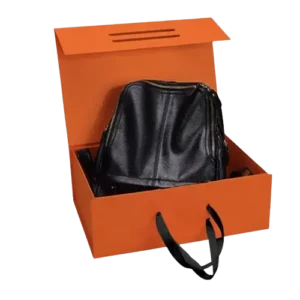
Based on Allen Paper Products production data (2024-2026), most of the defects and delays we see trace back to specs that were never written into the PO at the quotation stage. The management baseline your supplier should be able to show is ISO 9001.
The second job is the presentation. A scarf or a tie is a gift object, and the unboxing is the product, so the insert has to show the item without a crush line. The third job is the channel: retail wants a clean stack, gifting wants a foil lid and a ribbon. Those three jobs rarely conflict, but crease control always wins when the budget is tight.
Most buyers brief custom scarf boxes with a photo and the word gift, then discover the gift arrives with a fold line across the silk. Fix the crease radius first, design the insert second, and the brand still lands. A box that ships flat and opens flat will outsell a beautiful box that arrives with a line the customer cannot iron out.
The Crease Radius and the Fold
When you spec custom scarf boxes, the first number is the crease radius, the radius of the curve the scarf is folded around inside the insert. A sharp fold has a near-zero radius and imprints a permanent line in silk; a gentle fold with a 6 to 8 mm radius lets the fiber relax and rebound. The radius, not the box print, is what keeps the product saleable after months in storage.
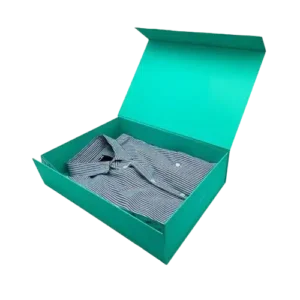
The fiber decides the safe radius. Silk habotai holds a crease almost forever and needs a loose roll or a very soft fold above 6 mm. Silk twill rebounds a little better and tolerates 5 to 6 mm. Polyester satin springs back and is happy at 3 to 4 mm, which is why poly programs crease far less in transit. Match the radius to the fiber, because one spec cannot serve silk and poly at once.
A fold test on the golden sample proves the radius. Fold the actual scarf on the insert, leave it under a light weight for a week, then open and hang it. If a line remains after steaming, the radius is too tight, and the factory should widen the fold or switch to a roll. State the crease radius in the RFQ so the insert is cut to the fiber, not to the easiest die.
| Fiber | Rebound after fold | Safe crease radius | Recommended fold | Note |
|---|---|---|---|---|
| Silk habotai | Low, holds crease | 6-8 mm | Loose roll or soft fold | Permanent line risk |
| Silk twill | Medium | 5-6 mm | Soft fold | Better than habotai |
| Polyester satin | High, rebounds | 3-4 mm | Standard fold | Forgiving in transit |
| Wool blend | Low | 6 mm | Loose fold | Creases easily |
| Cotton | Medium | 4-5 mm | Soft fold | Mid-range |
The table is a starting point, not a spec. Confirm the rebound on the finished insert with the real scarf under a weight, because the number moves with the fabric weight and the storage time. State the target radius and the fiber in the RFQ so the factory cannot cut the tightest, cheapest die that passes its own internal bar.
The Folding Insert Design
The folding insert in custom scarf boxes decides whether the silk rebounds or remembers the fold, so the insert is the real engineering, not the lid. A die-cut insert with a wide, rounded fold channel holds the scarf in a gentle curve and lifts it for display without a press point. The channel width and the corner radius are the two numbers that matter most.
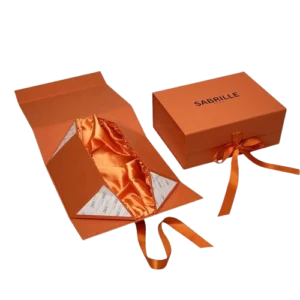
Round corners are the detail most buyers skip. A square insert corner presses a point into the fabric under stack weight, and that point becomes a faint line the steam cannot fully lift. A 3 mm corner radius removes the pressure point, which is why every silk-grade insert should specify round corners rather than the cheaper square cut the factory defaults to.
The insert also sets the presentation. A scarf shown in a soft fold reads as a gift; the same scarf crammed flat reads as stock. Design the insert to show the pattern and the edge, not to hide the product, because the unboxing is where a scarf earns its price. Ask for a fit check on the golden sample with the widest scarf in your range, because the channel is cut once and cannot flex for a wide silk.
Silk vs Polyester: The Rebound Problem
The rebound differs by fiber, and custom scarf boxes for silk need a gentler fold than polyester, because silk remembers and polyester forgets. A habotai scarf folded at a 4 mm radius for a week keeps the line; a polyester satin folded at the same radius springs back by the time it reaches the shelf. The same box that protects poly can destroy silk, which is why the fiber is a spec input, not a footnote.
Mini story: A neckwear brand in Manchester banded 4,000 ties on a flat card with sharp die corners. During a warm warehouse summer the card’s corners pressed a line into the silk-blend ties under stack weight, and 220 units showed a faint fold the steam could not fully lift. The replacements cost 900 GBP and a strained reorder. They moved to a round-corner insert and the defect disappeared across the next run.
The lesson is that warmth makes it worse. Heat softens fiber and lets a tight fold set permanently, so a box that passes in a cool room fails in a summer warehouse. Specify the fold and the radius for your worst-case storage, not your showroom, and confirm the rebound with a weighted fold test that includes a warm day, because the defect shows up in the back room, not on the proof.
Round Corners and Long-Term Storage
Round-corner design is what protects a scarf across long storage, not just the trip to the store. A 3 mm corner radius on the insert and a 6 mm crease radius on the fold together remove the two pressure points that imprint lines. Most defects appear after weeks, not days, so the test has to run long enough to catch a slow-setting crease.
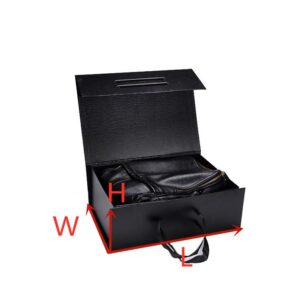
Storage posture matters as much as the box. A scarf stored flat under light weight rebounds; the same scarf stored under a heavy stack with a tight fold keeps the line. Tell the factory the carton stack height and the storage window, because the insert radius should be sized to the worst week in the back room, not the first day on the shelf. A box rated for a week can fail at a month.
Use a soft-fold insert for silk and a standard insert for poly, and label the two SKUs so the warehouse never mixes them. A poly insert used on silk is the most common crease recall, because the cheaper die passes the poly test and fails the silk one. The insert is the control point, so spec it per fiber and keep the SKUs separate on the carton.
The warehouse handling also matters. A carton dropped or stacked unevenly shifts the pressure onto one corner of the insert, and a square corner turns that shift into a line on the silk. Train the packer to stack the cartons flat and the insert to sit centered, because the best radius fails if the carton is loaded crooked and the weight lands on a corner.
Corporate Gifting: The Premium Tier
Corporate gifting is where custom scarf boxes earn a premium, because a client gift is judged on the box before the scarf. The tier adds a foil lid, a ribbon, and often the client logo or name printed on the insert, and the unit cost rises with the print and the material. The gifting channel pays for the upgrade, so the box is part of the gift budget, not a pack cost.
A silk scarf packaging manufacturer should quote the gifting tier as a separate line, because the foil, the ribbon, and the named insert are different setups from the retail box. Ask for the per-unit cost at the gift quantity, which is usually lower volume than retail, and confirm the lead time, because corporate gifts have a hard event date that retail never has. The date is the risk, not the material.
| Tier | Lid | Insert | Unit cost at 5k | Use | |
|---|---|---|---|---|---|
| Standard | Plain SBS | Folding insert | 1-colour | 0.30-0.50 USD | Retail, everyday |
| Premium | Foil lid | Soft insert | 2-colour | 0.60-0.90 USD | Gift shop, season |
| Corporate | Foil + ribbon | Round-corner insert | Logo + name | 1.00-1.80 USD | Client gift, event |
The corporate tier is where accessory gift box printing earns its keep, because the named insert and the foil lid are what the recipient remembers. Confirm the Pantone and the name spelling before bulk, because a wrong colour or a misspelled logo on a client gift is a reputation cost no discount repairs, and the event date does not move for a reprint.
Quantity is the other lever on the gift tier. A 1,500-unit run costs more per box than a 10,000-unit retail run, so price the gift tier at its own volume and confirm the break before you commit. Ask the supplier for the per-unit cost at the exact gift quantity and the lead time from signed proof, because the event date is fixed and the print slot is the only flexible point in the plan.
Mini story: Chen’s team in Singapore ordered 1,500 boxes for a client gift run. The supplier printed the wrong Pantone on the lid and the boxes arrived two days before the event, forcing a 3,000 SGD air re-print that still missed the date. A signed colour proof and a locked event date in the RFQ would have caught the mismatch before the boxes shipped and kept the gift on the calendar.
Retail and Gift Compliance
A box that ships flat but fails a label rule is still a chargeback. Scarves and ties carry fiber content, country of origin, and care instructions, and many markets require those on the pack or a hang tag, not just on the garment. Confirm the exact fields with the buyer before bulk, because the list differs by market and by channel.
Care symbols are the field accessories forget most often. A wrong wash icon turns a dry-clean-only silk into a ruined gift and triggers a return, so print the care on the insert back where the market requires it. Confirm the exact symbol set with the buyer, because the allowed icons differ by region and a close-enough symbol is still a defect that the retailer will not accept.
The barcode has to scan on the actual carton under store light, not on a screen. A code that reads on coated board can fail on kraft, so proof the label on the real stock and keep a clean quiet zone. State the required fields in the RFQ and ask the factory to print a label proof on the finished carton, because a mislabeled accessory line is pulled the same week it ships.
Keep the compliance text on an opaque layer, not a window, so the brand claim and the privacy both hold. Print the fiber and care on the insert back or the carton where the market requires it, and treat the foil and ribbon as presentation, not information. The pack proves compliance and crease control at once when the text sits on the right surface. European buyers increasingly check EU packaging waste rules before signing off artwork.
7 Specs to Lock Before You Approve Custom Scarf Boxes
Run this list before the purchase order. Each line maps to a failure described above, and together they turn a photo brief into a spec the factory can cut and fold-test.
- Crease radius stated, 6 to 8 mm for silk, 3 to 4 mm for poly, confirmed by a weighted fold test.
- Insert corner radius fixed, 3 mm round corners, never the square cut the factory defaults to.
- Fiber and fold matched, silk-grade soft fold, poly-grade standard fold, as separate SKUs.
- Insert channel designed, wide rounded fold channel that shows the pattern, not a flat cram.
- Storage window and stack named, carton height and weeks in storage, for the worst-case radius.
- Gifting tier specified, foil lid, ribbon, named insert, and Pantone locked for corporate runs.
- Compliance fields confirmed, fiber, origin, care, and barcode placement on the real material.
The first point is the one buyers skip. A box described only as gift cannot be fold-tested, and the factory cuts the tightest die that passes its own bar, which is almost always below the radius your silk actually needs to stay flat.
The RFQ Language for Custom Scarf Boxes
The phrase custom scarf boxes in an RFQ should name the fold, the crease radius, and the gifting tier, then let the factory engineer the cheapest version that passes the fold test. A photo and the word gift produces a guess; a spec produces a quote you can compare across three suppliers in an afternoon.
Include the fiber and the crease radius, the insert corner radius and channel, the storage window and stack, the gifting tier with Pantone and name, the compliance fields, and the quantity with a delivery date. Ask for the fold test method as a line item, because that single number is what protects you from a crease recall three months after shipment.
RFQ line: Please quote 10,000 pcs custom scarf boxes, 350 gsm SBS with a die-cut folding insert, round corners radius 3 mm, crease radius above 6 mm, FOB Shenzhen, delivery 2027-01-15. Also quote a silk-grade version with a softer fold and a corporate gift tier with foil lid and ribbon. State per-unit cost and carton count for each, and confirm the fold test method.
That request removes guesswork. Asking for the retail, the silk-grade, and the corporate tier side by side forces a real cost comparison, and stating the crease radius keeps the fold line out of your launch and your gift event.
Sampling and Incoming Checks
Good custom scarf boxes samples fail on the crease, not the print. The failure is in the radius, the corner, and the rebound, all of which a carton photo hides. Order a golden sample and run a weighted fold test before you release the deposit, because the cost of a fold test is an afternoon and the cost of a creased container is a season of returns.
Order a golden sample and fold the actual scarf on the insert under a light weight for a week, then open, hang, and steam it. A scarf that holds a line after steaming failed the radius, so widen the fold or switch to a roll before bulk. Confirm the insert corners are round and not square, because a square corner presses a point the steam cannot lift, and the point shows up only after storage, not on the proof.
On arrival, sample across the container rather than the door carton, because insert dies drift between reels. Fold-test several units with the widest scarf, confirm the corners are round, and check the foil and name on any gift tier against the signed proof. Photograph every defect with a date, because crease and corner claims turn on millimetres too small to argue from memory, and the sample record is the only leverage you have with the factory.
Ready to spec custom scarf boxes that ship flat and open flat, from retail stack to corporate gift? Send your current box, your fiber range, and your annual volume, and we will return a costed spec with the crease radius, the insert, and the gifting tier called out before you reorder.
FAQ
What crease radius keeps silk scarves from folding?
Use a 6 to 8 mm crease radius for silk habotai and 5 to 6 mm for silk twill, confirmed by a weighted fold test on the golden sample. Polyester satin rebounds and is happy at 3 to 4 mm. The radius is the curve the scarf folds around; a sharp near-zero fold imprints a permanent line the steam cannot lift, so state it in the RFQ per fiber.
Should scarf box inserts have round or square corners?
Round. A 3 mm corner radius removes the pressure point a square corner presses into the fabric under stack weight, which becomes a faint line the steam cannot fully lift. The square cut is the factory default because it is cheaper, so specify round corners in the RFQ for every silk-grade insert, and confirm them on the golden sample before bulk.
How does silk differ from polyester for packaging?
Silk remembers a fold and polyester forgets it, so silk needs a gentle 6 to 8 mm radius and a soft fold, while polyester is fine at 3 to 4 mm. The same tight insert that protects poly can crease silk permanently, especially in warmth. Spec the insert per fiber as separate SKUs, because mixing them is the most common silk crease recall.
What is a corporate gifting tier for scarf boxes?
The corporate tier adds a foil lid, a ribbon, and a named insert with the client logo, quoted separately from the retail box. Unit cost runs about 1.00 to 1.80 USD at 5k for print and setup. Lock the Pantone, name, and event date in the RFQ, because a wrong colour or misspelled logo on a client gift is a reputation cost no discount repairs.
How do I prevent long-term storage creases?
Size the insert radius to the worst back-room week, not the first shelf day, and name the carton stack height and storage window in the RFQ. A 6 mm crease radius with 3 mm round corners removes the two pressure points that imprint lines. Run a weighted fold test on a warm day, because heat sets a tight fold and the defect shows in storage, not on the proof.
What should the RFQ for custom scarf boxes include?
Name the fiber and crease radius, the insert corner radius and channel, the storage window and stack, the gifting tier with Pantone and name, the compliance fields, and the quantity with a date. Ask for the fold test method as a line item. Stating these turns a photo brief into a comparable quote and keeps a crease recall off your launch and your gift event.
What should I specify when ordering custom scarf boxes?
Start with the build itself: material, size, print, finish, and any insert, then name the tolerance and the test. At Allen Paper Products we confirm the build with a pre-production sample (PPS) before any bulk run, so the order matches your approved proof.
How long does it take to get custom scarf boxes made and delivered?
Lead time runs from about 7-10 days for a sampled reorder to 20-35 days for a new custom build including proofing and production. Based on Allen Paper Products production data (2024-2026), most overseas buyers plan 4-6 weeks door-to-door.