
Paper Bag Manufacturer Lead Time:
How Long from Artwork to Delivery?
If you are planning a product launch, a trade show, or a seasonal push, the single number that quietly decides whether your packaging arrives in time is paper bag manufacturer lead time. Most first-time buyers ask a factory “how long?” and get a confident-sounding “three weeks” that collapses the moment a proof needs a revision or a ship gets delayed. The honest answer is that lead time of paper bags is not one number. It is the sum of artwork approval, sampling, production, quality checks, and transit, and each stage has its own clock. This guide walks through a realistic artwork to delivery timeline paper bags buyers can actually plan against, shows how quantity and shipping mode move the total, and gives you concrete ways to reduce custom paper bags lead time without paying a premium you did not budget for. Most suppliers organize their schedules around the sustainable-packaging framework in ISO 18601:2013, so the stage names below will sound familiar. For the full picture across materials and sizing, start with our complete guide to custom printed paper bags.

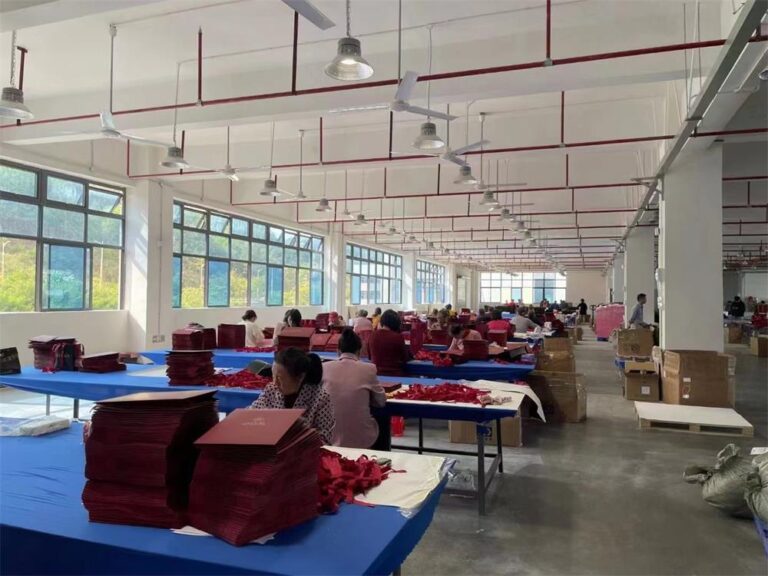
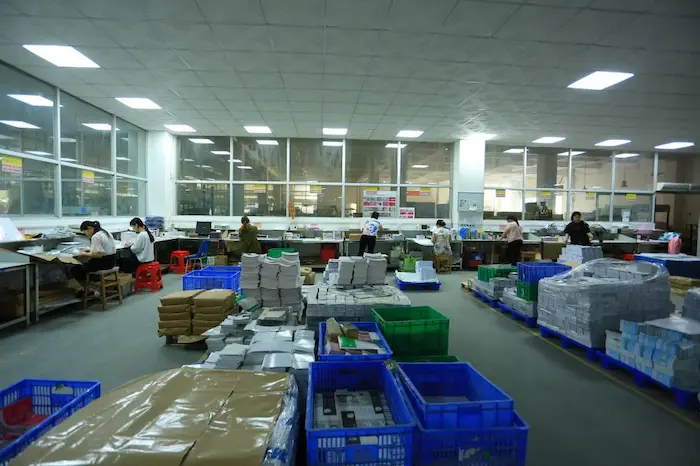
Key Takeaways
- A typical custom order runs 4–10 weeks door-to-door, but the split is roughly 1–3 weeks of sampling and production prep and 2–6 weeks of ocean transit.
- Paper bag sampling time / PPS lead time is the step buyers forget. Budget 5–10 business days for a pre-production sample, plus shipping both ways.
- Order quantity is the biggest driver of how long to manufacture custom paper bags: 500 units and 20,000 units can differ by 1–3 weeks on the production floor alone.
- Ocean freight is cheap but slow (25–40 days from Asia); air is fast (5–10 days) but can cost 5–10x more. Your shipping choice can outweigh the factory’s speed.
What “Lead Time” Actually Covers
When a supplier quotes a lead time of paper bags, the term is doing a lot of work. Some factories mean “time from deposit to ex-factory date.” Others mean “time until it leaves our loading dock.” Almost none mean “time until it reaches your warehouse.” So before you plan, define the clock.
A complete paper bag production lead time has six stages. Miss any one in your own schedule and the whole project slips:
- Artwork submission and technical review — you send the file; the factory checks bleed, color mode, and die lines.
- Pre-production sample (PPS) — a physical proof of one or a few bags made on the real line.
- Sample revision and approval — you review, request changes, the factory re-makes.
- Bulk material preparation — paper, handles, ink, and dies are staged.
- Mass production and in-line QC — the run itself, with checks during the run.
- Finishing, packing, and transit — lamination or handles attached, cartons built, then ocean or air to your door.
The first five sit inside the factory. The sixth is logistics, and it is where most “three weeks” promises fall apart. We cover both halves below so you can build a timeline that survives contact with reality.
The Standard Production Timeline
| Stage | What happens | Typical duration |
|---|---|---|
| Artwork technical review | File checked for color, bleed, die lines | 1–3 business days |
| PPS production | One sample bag made on the real line | 3–5 business days |
| PPS shipping + your review | Courier both ways + decision time | 2–4 business days |
| Bulk material prep | Paper, ink, handles, dies staged | 3–5 business days (can overlap PPS) |
| Mass production | The actual run + in-line QC | 5–15 business days by quantity |
| Finishing & packing | Lamination, handles, cartons | 1–3 business days |
| Factory subtotal | Ex-factory, before transit | ~2–6 weeks |
Here is the floor-to-floor view of a normal order that goes right the first time. These are planning ranges for a China-based offset or flexo run; your factory’s numbers will vary, so always confirm.
The table assumes no major artwork revision. Add a revision cycle and you add another 1–2 weeks, because the sample must be re-made and re-shipped. The biggest lever you personally control is how fast you approve that sample, which is why the next section exists.
Not sure how your print method affects speed? Our printing methods compared guide breaks down which processes add setup days and which skip them entirely.
How Order Quantity Changes Everything
| Order quantity | Sampling (PPS) | Mass production | Factory total |
|---|---|---|---|
| 100–500 units (digital) | 3–5 days | 3–7 days | 1–2 weeks |
| 500–3,000 units (offset) | 5–10 days | 7–12 days | 3–4 weeks |
| 3,000–10,000 units | 5–10 days | 12–15 days | 4–5 weeks |
| 10,000–50,000+ units | 7–10 days | 18–25+ days | 5–8 weeks |
Production time is not linear. A press carries the same fixed setup whether you print 500 or 5,000 bags, but a larger run simply takes longer to physically push through the machine. The jump between tiers is what surprises buyers. Notice the sampling time barely moves, but production scales hard with volume. If you are still deciding how many to order, our custom paper bags MOQ guide shows the quantity thresholds where per-unit price and lead time of paper bags both shift. A common trap is ordering right below a tier boundary: you pay nearly the same setup as the next tier but wait almost as long for fewer bags.
Sampling and the PPS Step Buyers Forget
The pre-production sample is the single most skipped-and-most-regretted stage. Buyers in a hurry say “skip the sample, just run it,” and then receive 10,000 bags with a color that is noticeably off. The sample exists to catch exactly that.
Paper bag manufacturer lead time for sampling / PPS lead time usually looks like this:
- Production of the PPS: 5–10 business days on the real line.
- Courier to you: 3–6 business days by express air (DHL/FedEx), longer if you choose cheaper mail.
- Your review and decision: however long you take, which is the wild card.
- Return shipping of changes (if needed): another 3–6 business days.
So a clean one-round sample costs you roughly 2–3 weeks of calendar time even when the factory is fast. That is not waste, it is insurance. A PPS lets you verify paper weight, print registration, handle attachment, and color before a single bulk sheet is cut.
Mini story: the brand that missed Black Friday. Lena ran a DTC apparel label and placed 8,000 bags with a new factory on October 2, 2025, for a Black Friday launch. The factory quoted “three weeks production.” What nobody budgeted was the PPS: the first sample arrived October 18 with a handle color two shades off-brand. A revision round ate another 12 days. Mass production finished November 14, and ocean transit landed the cartons on December 12, three weeks after the sale ended. The bags sold eventually, but the launch window was gone. The lesson was not “rush harder,” it was “add the sampling week to the plan from day one.”
If you want the mechanics of what a sample should contain and how to approve it, our write-up on the PPS (pre-production sample) walks through the checklist we send to factories. And the inspection that follows the bulk run is just as important, which is why we document quality control before shipping as a separate gate.
What Actually Slows You Down
| Factor | Typical added delay | How to avoid it |
|---|---|---|
| Artwork revision rounds | 1 weeks per round | Submit print-ready files; confirm color mode and bleed |
| Late PPS approval | 1–2 weeks | Set an internal deadline; pre-assign a decider |
| Custom die or handle | 3–7 days for tooling | Use a stock size where possible |
| Material out of stock | 1 weeks | Confirm raw stock before deposit |
| Chinese New Year / peaks | 2–5 weeks | Order 6–8 weeks ahead of the holiday |
| Customs or doc errors | 3–10 days at destination | Use a broker; pre-check HS codes |
| Revision after bulk starts | Full re-run risk | Never start bulk before PPS sign-off |
Most delays are not the machines. They are decisions, documents, and dates. The table below ranks the usual suspects by how much time they add.
Two of these deserve emphasis. The Lunar New Year shutdown alone can add a month to any Asian order placed in December or January, with many factories closing two to three weeks with little notice. Separately, documents bite: a mislabeled HS code or a missing certificate of origin can hold a container at your port longer than the whole ocean voyage took. Neither is the factory’s fault, and both are yours to manage.
For the sustainability side of material sourcing, the FSC paper packaging business resource explains the certification chain that sometimes adds a paperwork step to lead time of paper bags.
Rush vs. Standard: When Expediting Makes Sense
Sometimes the calendar wins and you need bags faster than the standard clock allows. Factories can compress production, but not for free and not infinitely.
Rush charges pay the factory to bump your job ahead of others and run extra shifts. They do not conjure raw material that is not in the warehouse, and they do not shorten ocean transit. A rush that still goes by sea may arrive only marginally sooner but cost far more. The bigger win is usually air freight on a modest order, not a factory super-rush on a container. If you are weighing that premium against your budget, our why printed bags cost more guide shows where the money actually goes.
One more caveat: compressing production time tends to compress QC time too. If you expedite, insist that the quality control before shipping step stays intact, because a fast delivery of wrong bags is worse than a slow delivery of right ones.
| Option | Production speed | Added cost | What you sacrifice |
|---|---|---|---|
| Standard | 4–6 weeks factory | Baseline | Nothing |
| Rush (overtime) | 2–3 weeks factory | +15–30% | Less scheduling flexibility |
| Super-rush (line jump) | 7-12 days factory | +30–60% | Higher defect risk, limited QC |
| Air freight instead of sea | Saves 2–5 weeks transit | 5–10x shipping | Margin, unless volume is small |
Shipping Adds Its Own Clock
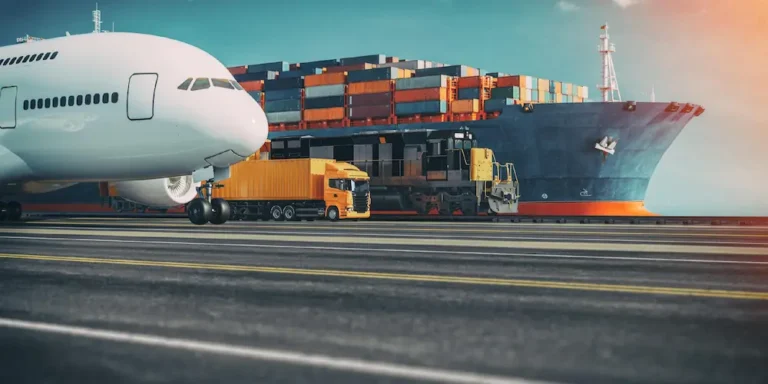
The factory clock stops at the loading dock. Yours keeps running. For most overseas buyers, transit is the largest single block of the artwork to delivery timeline custom paper bags, and it is the easiest to misjudge.
| Shipping mode | Transit time (Asia to US/EU) | Relative cost | Best for |
|---|---|---|---|
| Ocean LCL (shared container) | 30–45 days | 1x (baseline) | Most orders, any volume |
| Ocean FCL (full container) | 25–38 days | ~0.7–0.9x per unit | Large orders 10k+ |
| Air express (DHL/FedEx) | 3–5 days | 5–10x | Small, urgent, high-value |
| Air freight (consolidated) | 7–14 days | 3–5x | Medium, time-sensitive |
| Rail (China–Europe) | 18–25 days | ~1.5–2x | Europe only, middle ground |
These windows are port-to-port. Add another 3–10 days for customs clearance, last-mile trucking, and any broker delay. The Freightos freight rate index is a useful public benchmark for current ocean and air trends, because transit reliability shifts with global demand.
A subtle point: air is not always faster end-to-end once you include pickup, consolidation, and clearance. For a 2,000-bag order, air freight can genuinely save three weeks versus sea. For a full container, the cost usually makes sea worth the wait.
Mini story: the buyer who caught a batch with the PPS. Marcus sourced packaging for a coffee roaster and ordered 15,000 bags in March 2026. He almost waived the sample to save ten days, but his broker talked him into a PPS. The sample arrived with a kraft tone shifted warmer than the brand’s approved swatch, a drift nobody would have noticed on a screen. Because he caught it at the PPS stage, the factory corrected the ink mix before bulk, and the full run shipped on the original date. The ten days “lost” to sampling prevented a 15,000-bag recoloring that would have cost weeks and a five-figure reprint. The sample paid for itself several times over.
For a step-by-step on the logistics half, see our guide to shipping paper bags from China, which covers FCL versus LCL and the documents brokers expect.
How to Reduce paper bag manufacturer lead time
You cannot make a press run faster than physics allows, but you can remove almost every avoidable delay. These are the tactics buyers use to shave real weeks off the calendar.
Lock artwork before you request a quote
The fastest orders are the ones where the file is final on day one. Submit print-ready PDFs with correct bleed, CMYK color, and confirmed die lines. Every revision round after that costs you a week or more.
Approve the PPS on a deadline
Set an internal “sample decision day” before the sample even ships. Pre-assign one person to say yes or no. The single biggest variable in Custom paper bag sampling time / PPS lead time is how long the sample sits on someone’s desk.
Overlap material prep with sampling
A good factory stages paper and handles while the PPS is in transit to you. Confirm they do this; if they wait for your sign-off before touching raw stock, you lose a week you could have banked.
Choose stock sizes and standard GSM
A custom die costs tooling days. A standard size and a common right GSM for your bags let the factory slot you into an existing cutting form. The bag still looks custom; the wait drops.
Pick the right shipping mode early
Decide sea versus air before you place the deposit, not after production finishes. If you will need air, tell the factory so carton dimensions suit air handling and you avoid a repack.
Consolidate with a reliable partner
Working repeatedly with one choose a reliable manufacturer means your specs, dies, and color swatches are already on file. Reorders can skip material sourcing and sometimes sampling entirely, cutting lead time of paper bags by weeks.
Each of these is an administrative choice, not a miracle. The buyers who consistently hit dates are the ones who treat the timeline as a project plan with owners and deadlines, not as a number the factory “owes” them. When you are ready to map your own order, talk to a partner who plans in dates, not slogans and ask them to quote each stage separately.
Getting an Accurate Delivery Date from a Factory
A vague “three weeks” protects the factory and hurts you. Push for a date you can put in a calendar. The way to do that is to ask for a breakdown, not a slogan.
- Ask for the ex-factory date separately from the arrival date. “When will it leave your dock?” and “When will it reach my warehouse?” are different questions with different owners.
- Request the date tied to a milestone. “Production starts the day after PPS approval and deposit” is actionable; “soon” is not.
- Confirm raw material availability up front. “Is the paper in stock today?” A yes now prevents a three-week surprise later.
- Put the timeline in the contract. Include a latest ex-factory date and what happens if it slips. Written dates change behavior.
- Build in a buffer you control. Plan as if the real date is 10–15% later than quoted. If it comes early, you win; if it slips, you are still safe.
This discipline matters more than the factory’s raw speed. A slower shop that hits its written date beats a fast shop that misses by a month. The printing methods compared guide also helps you ask the right technical questions, because a factory that answers specifics confidently is usually one that plans specifically.
Want a dated plan instead of a vague promise? Request a quote with your specs and we will return both an ex-factory date and an estimated arrival date you can put straight on the calendar.
A Real Buyer’s End-to-End Timeline

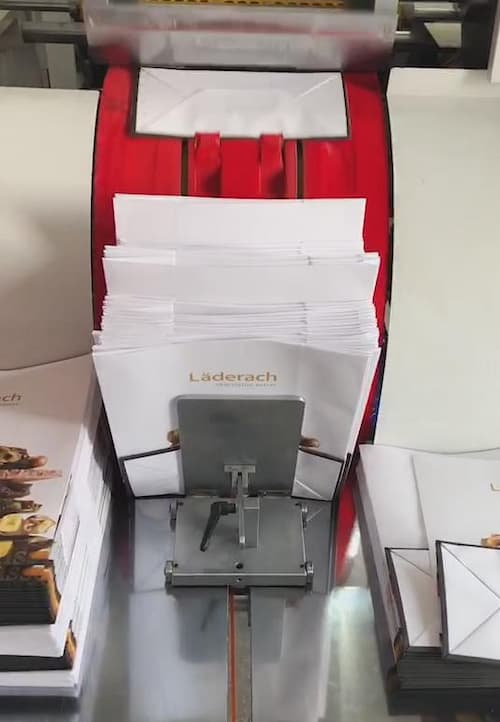
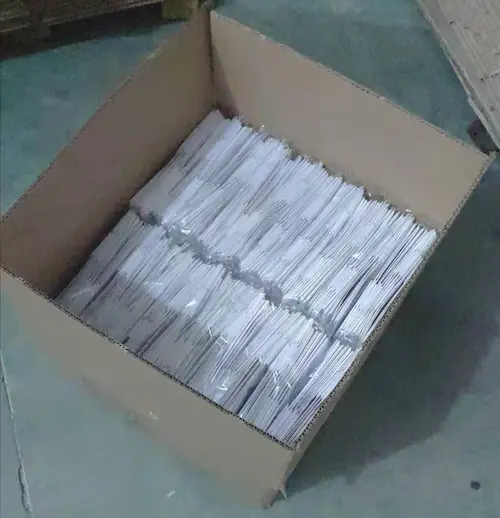
To make the abstract concrete, here is what a well-run 5,000-bag order looked like for a mid-size retailer in early 2026, planned from the start:
- Day 0: Artwork finalized, deposit paid, PPS requested.
- Day 2: Technical review cleared; sample into production.
- Day 9: PPS shipped by express.
- Day 14: Sample received, approved same day; bulk material already staged.
- Day 15: Mass production began.
- Day 28: Production complete, in-line QC passed.
- Day 30: Cartons built, booked on ocean vessel.
- Day 62: Arrived at destination port, cleared customs.
- Day 67: Delivered to warehouse.
Total: about 9.5 weeks, with zero revisions and a PPS that overlapped material prep. Strip the PPS and they might have saved a week but risked a costly error. Compress nothing else without paying a rush premium. This is the realistic shape of a healthy paper bag manufacturer lead time, and it is the template you should build your own plan around.

-
1. What is the typical total lead time from artwork to delivery?
For an overseas order, plan on roughly 4 to 10 weeks door to door. That splits into about 1 to 3 weeks of sampling and production prep, 1 to 4 weeks of mass production depending on quantity, and 2 to 6 weeks of transit. Domestic or digital small-batch orders can land in 1 to 3 weeks. These are ranges, not promises, so request a dated quote.
-
2. Which stages of the timeline can be compressed?
Sampling can be sped up with express courier and a fast internal approval. Material prep can overlap the sampling window. Production can be rushed with overtime or line-jumping for a premium. What you cannot compress is ocean transit without switching to air, and you cannot skip the PPS without taking on defect risk. Most savings come from removing administrative delay, not machine time.
-
3. How long does sampling or a PPS take?
A pre-production sample typically takes 3 to 5 business days to produce, plus 2 to 4 business days of express shipping each way, plus your review time. Realistically budget 1 to 2 weeks for a clean one-round sample. A revision adds another 1 to 2 weeks. This is the step most first-time buyers forget to schedule.
-
4. How much does rush or expedited production cost?
Factory rush charges usually run 15 to 30% for overtime level compression and 30 to 60% for super rush line jumping. Air freight instead of ocean can cost 5 to 10x the shipping line item. Rush also tends to shorten QC windows, so keep inspection intact even when paying for speed.
-
5. How do sea and air freight affect arrival time?
Ocean transit from Asia is roughly 20 to 40 days port-to-port; air express is 3 to 7 days and consolidated air freight 7 to 12 days. Add 3 to 7 days for clearance and last mile. Air can save three weeks or more but at several times the cost, so it suits small, urgent, or high value orders rather than full containers.
-
6. How do I get an accurate delivery date from a factory?
Ask for the ex-factory date and the arrival date as two separate numbers, tie the start to a milestone like “production begins after PPS approval and deposit,” confirm raw material is in stock, and put a latest date in the contract. Plan as if the real date is 10 to 15% later than quoted to absorb normal slippage.
-
7. Can I overlap sampling and bulk production to save time?
Partially. A good factory stages paper, ink, and handles while the PPS is in transit to you, which banks about a week. But the bulk run itself should not start until you approve the PPS, because a color or spec correction after bulk begins means a costly re-run. Overlap the prep, not the production.
Conclusion
Lead time of paper bags is not a mystery and it is not a single number. It is a chain of six stages, and the total paper bag manufacturer lead time from artwork to delivery is whatever your slowest stage plus your shipping mode decides. The buyers who hit their dates are not the ones who found the fastest factory, they are the ones who planned the sampling week, locked artwork early, overlapped material prep, and picked a shipping mode that matched their deadline. Treat the timeline as a project with owners and milestones, keep the PPS and the quality control before shipping gate intact, and you turn an anxious guess into a calendar you can trust. When you are ready to map your own order, revisit our complete guide to custom printed paper bags for the specs that move both price and speed, and talk to a partner who will give you a dated plan instead of a slogan.

ALLEN LEE
Hi, I’m Allen Lee, the owner of Allenboxes.com, I’ve been in the packaging industry for over 20 years and running a factory in China that produce for 10+ years, and the purpose of this article is to share with you the knowledge related to packaging from a Chinese supplier’s perspective.

3 Steps to Save Shipping costs
Step 1: Use foldable boxes instead of two-piece rigid boxes.
Step 2: Customize to a smaller box. And Order early to use economy ocean freight instead of air.
Step 3: Select Door to door service include all taxes and freight.
Why Your Quote Jumped After the Factory Reviewed Your Artwork
Your quote can jump after artwork review. Learn how bleed, spot colour, foil and die-cuts change price, and how to lock a file-reviewed quote before approval.
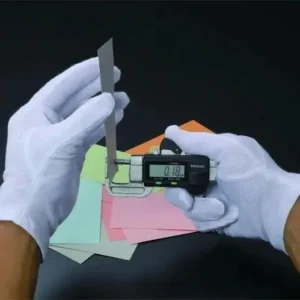
5 tips about Materials of Paper Boxes
1.Measure thickness of raw material
2.Cut a 10x10cm sheet
3.Measure paper weight
4.Measure paper thickness
5.Check standard weight-thickness tables

12 Common Box Inserts Introduction
1.Sponge (with velvet or paper)2.EVA Foam 3.Pearl cotton (EPE)
4.Paper Cardboard 5.Corrugated Paper 6.Plastic Blister
7.Tissue Paper 8.Raffia Filler9.Bubble Beads
10.Satin Fabric,11.Small Pouches 12.Mini Pillows
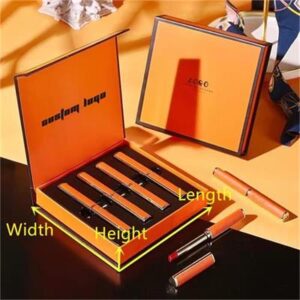
6 steps to customize paper boxes
1. Design Box style, Colors, Logos.
2. Meet the budget.
3. Revisions & Prototyping
4. Final Approval & Refinement
5. Small-Batch Testing
6. Mass Production
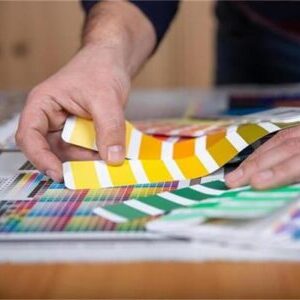
How to control color discrepancy of paper boxes
1.Same materials /ink batch
2.Same printing machines & crew
3.Same finishing (lamination/coating)
4.Identical inspection tools + standards
5. Smart color choices (e.g., black + embossed logo)