
A tshirt mailer box is the first thing Elena’s customers touch, and she learned its value the hard way. She launched a premium streetwear label, folded her tees into plain brown cartons, and watched the unboxing posts she hoped for never appear. When she reordered with rose gold foil, a matte-laminated lid, and a snug internal fit, the same shirts suddenly looked worth their price. Returns fell, reviews mentioned the packaging by name, and a boutique asked to stock the line. The lesson for apparel brands is simple: the box is not overhead, it is the product’s first impression.
Every spec below comes out of our own plant in Dongguan — see Allen Paper Products for the full capability list.
Key Takeaways
- A tshirt mailer box protects folded apparel while carrying most of your brand’s unboxing impact, so treat it as marketing rather than plain shipping.
- Rose gold foil, matte lamination, and soft-touch coating add roughly 8 to 25 percent to unit cost but lift perceived value far more.
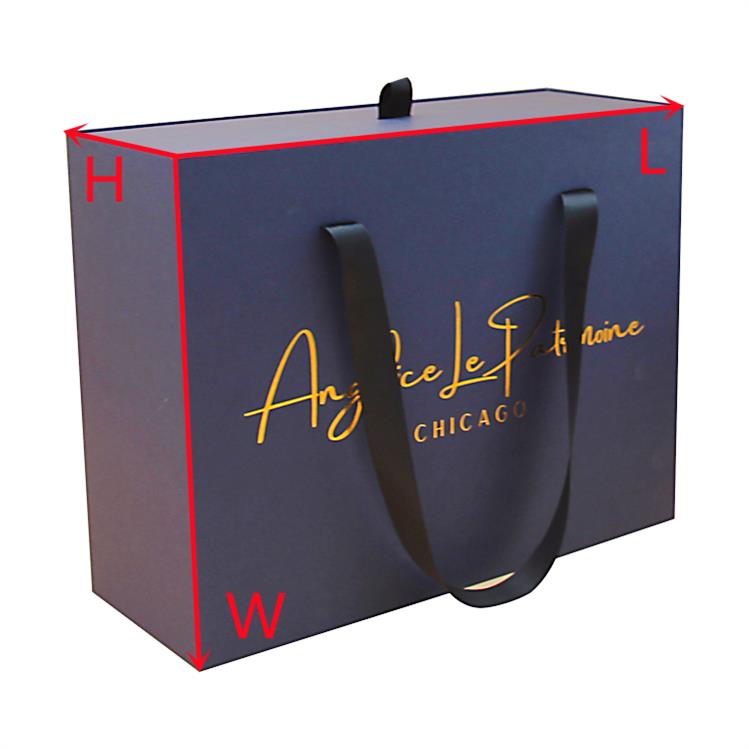
- Size the box to your folded garment: a single tee fits about 240 x 200 x 40 mm, while a two-piece set needs closer to 300 x 250 x 60 mm.
- E-flute corrugated near 1.5 mm balances print quality and crush resistance for most mailers; heavier sets move up to B-flute or double wall.
- Foil and embossing carry setup fees around 80 to 250 dollars per plate, so confirm MOQ and sampling cost before you commit.
For the related spec, see custom printed paper bags — same board grades, same tolerances.
Why a Tshirt Mailer Box Sells the Shirt Inside It
For apparel, packaging does double duty: it shields a folded garment from creasing and moisture, and it stages the reveal that customers photograph and share. A flat, generic carton says “commodity”; a considered box with a clean fold, a branded band, and a metallic logo says “premium”. That perception gap is worth real money: it lifts repeat purchases and justifies a higher price.
Colour is where most brands lose the plot. A logo that looks perfect on screen can drift on printed board, so lock your brand colours to a physical reference. Matching to a Pantone colour standard keeps foil and print consistent across reorders and suppliers. If you are choosing between shiny accents, our guide on foil vs spot UV boxes explains where each finish reads best.
For the related spec, see custom paper boxes — same board grades, same tolerances.
For the underlying standard, see FSC chain-of-custody certification.
Rose Gold Foil and Luxury Finishes That Actually Work
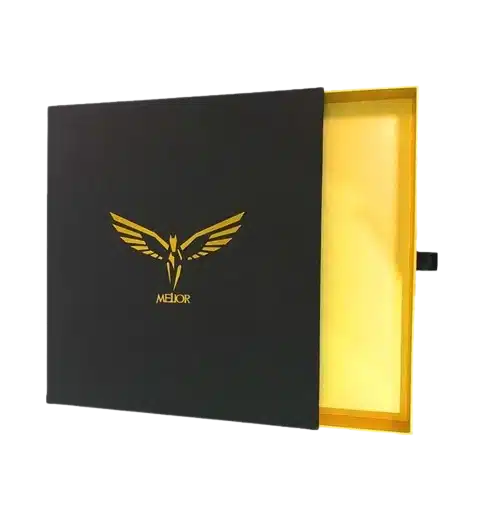
Rose gold foil is the signature apparel look right now, but it is one of several finishes that signal quality. The table below compares the finishes buyers ask for most.
| Finish | Visual Effect | Added Cost per Unit | Best For |
|---|---|---|---|
| Rose gold foil stamp | Warm metallic logo shine | +$0.15-0.40 | Premium streetwear, logo focus |
| Matte lamination | Soft, non-glare surface | +$0.08-0.18 | Minimalist and modern brands |
| Soft-touch coating | Velvet, tactile hand feel | +$0.12-0.30 | Luxury capsule drops |
| Spot UV | Glossy accent over matte | +$0.10-0.25 | Pattern or icon highlights |
| Blind emboss | Raised, inkless logo | +$0.10-0.28 | Heritage, understated labels |
Estimates only; actual figures depend on your specs — request a quote.
Finishes stack, but not endlessly. Rose gold foil over a matte-laminated lid is a proven, photogenic combination; adding soft-touch on top raises cost without adding contrast. For small drops where plate fees sting, read our notes on foil for small-batch packaging.
Mini-story — Daniel’s foil that vanished. Daniel ordered rose gold foil on a heavily textured kraft mailer to save on lamination. The foil sat on the rough grain and looked patchy under studio lights, so his launch photos fell flat. He moved the foil onto a smooth white panel and kept kraft on the outer wrap, and the logo finally read as premium. The lesson: foil needs a smooth substrate, so choose the surface before the finish.
When you brief a factory for custom tshirt mailer box printing, share vector logos, Pantone codes, and a dieline early so the foil registration and fold lines are right the first time.
For the related spec, see packaging by industry — same board grades, same tolerances.
Sizing Guide: Fit the Box to the Fold
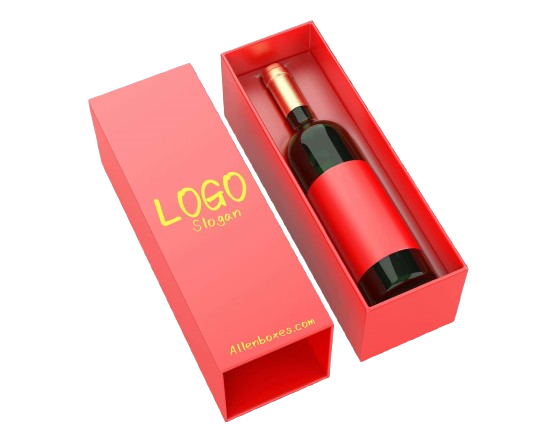
A box that is too big lets the garment slide and crease; one that is too tight strains the seams and the board. Size to the folded footprint of your product, then add a few millimetres of tolerance.
| Apparel Load | Folded Size (approx) | Recommended Box L x W x H | Suggested Board |
|---|---|---|---|
| Single tee (S-L) | 220 x 180 x 30 mm | 240 x 200 x 40 mm | E-flute |
| Single tee (XL-2XL) | 250 x 200 x 35 mm | 270 x 220 x 45 mm | E-flute |
| Tee plus accessory | 250 x 210 x 45 mm | 280 x 230 x 55 mm | B-flute |
| Two-piece set | 270 x 230 x 55 mm | 300 x 250 x 60 mm | B-flute / double wall |
Estimates only; actual figures depend on your specs — request a quote.
Board choice follows size and weight. E-flute at roughly 1.5 mm prints crisply and resists light crushing, which suits single tees; heavier sets and longer transit call for B-flute or double wall. For flutes and liners in detail, see our guide to mailer box board thickness.
Mini-story — Priya’s box that was one size too big. Priya reused a generic mailer for her fitted tees, and each shirt slid around in a 20 mm gap. Customers received creased garments and a rattling parcel. She commissioned a mailer box sized to her exact fold and added a paper band, and wrinkle complaints disappeared. The lesson: a snug internal fit protects the garment and makes the unboxing feel intentional.
For the related spec, see our packaging factory — same board grades, same tolerances.
For the underlying standard, see the Fibre Box Association.
What It Costs, and What Drives the Price
Unit price falls as volume rises and as finishes come off the spec. The table shows typical ranges for a printed apparel mailer, plain versus a rose gold foil and matte build.
| Order Quantity | Plain E-flute Mailer | Rose Gold Foil + Matte | Setup / Plate Fees |
|---|---|---|---|
| 250 units | $1.20-1.80 | $1.70-2.60 | $150-300 |
| 500 units | $0.95-1.50 | $1.35-2.10 | $120-250 |
| 1,000 units | $0.75-1.20 | $1.05-1.70 | amortized |
| 5,000 units | $0.55-0.95 | $0.80-1.30 | negligible |
Estimates only; actual figures depend on your specs — request a quote.
So how much does a tshirt mailer box cost in practice? At 250 units with foil you sit near the top of the range; by 1,000 units the finish premium shrinks to cents per box. Board sourced from responsibly managed forests, verified through FSC chain-of-custody certification, adds little cost and supports the eco claims apparel buyers expect. Before you scale, order a paid sample; our custom box sampling cost guide explains what a proper prototype should include.
A wholesale apparel mailer box supplier worth keeping will send a physical sample, share a board test report, and confirm foil placement on a proof. A china tshirt mailer box factory typically starts custom, printed runs around 500 units, with small-batch converters offering 100 to 250 at a premium. Where parcels travel far, pair the paper spec with drop and compression testing based on ISTA transit test protocols so the box that looks good also survives the last mile.
For the underlying standard, see ASTM International test standards.
Designing the Unboxing Moment
The finishes only pay off if the reveal is choreographed. A branded inner print, a garment band, tissue in a brand colour, and a thank-you card turn a shipment into content. Keep the sequence simple so it films well in a single take. Our walkthrough on the unboxing experience shows low-cost touches that photograph better than expensive ones.

Your Next Step
Your apparel mailer is the cheapest brand asset you will ever buy: it reaches every customer and shapes their first impression. Decide your finish, size, and board before you chase a price, so the quotes you compare are truly like for like.
Start by folding your actual product and measuring it, then match that footprint to the sizing table above. Choose one hero finish — rose gold foil is a safe default — and resist stacking effects that add cost without contrast.
When you are ready, send a dieline, your Pantone codes, and a target quantity, and ask for a paid sample before bulk. For a final quality gate, our unboxing experience guide helps you plan the reveal your customers will share.

-
1. How do I size a mailer box for a folded t-shirt?
Size the box to your folded garment plus a small tolerance. A single folded tee fits a box near 240 x 200 x 40 mm, while a tee with an accessory needs about 280 x 230 x 55 mm. Aim for a snug fit so the shirt does not slide, crease, or rattle in transit.
-
2. Does rose gold foil work on kraft mailer boxes?
Rose gold foil works best on a smooth surface, so it can look patchy on rough, uncoated kraft. If you want a kraft look, apply the foil to a smooth printed panel or a white liner and keep raw kraft on the outer wrap. Order a foil sample first to confirm the finish reads as premium.
-
3. What board thickness suits an apparel mailer box?
E-flute corrugated, around 1.5 mm, suits most single-tee mailers because it prints cleanly and resists light crushing. For heavier two-piece sets or long transit, step up to B-flute or double wall. Match the board to garment weight and shipping distance, and request a board mill test report to confirm the grade.
-
4. How much do luxury finishes add to the cost?
Rose gold foil, matte lamination, and soft-touch coating typically add 8 to 25 percent to the unit price, plus one-time setup or plate fees near 80 to 250 dollars. The premium shrinks as volume rises, so finishes that feel expensive at 250 units become affordable at 1,000 or more.
-
5. What is the minimum order for custom printed apparel mailers?
Most China factories start custom printed mailers around 500 units, though small-batch converters offer 100 to 250 with a premium. Foil and embossing add plate fees, so very low runs cost more per box. Order a physical sample before bulk to confirm size, color, and finish before you commit.
Conclusion
Tshirt mailer box rose gold foil and luxury finishes is a spec decision, not a price decision. Fix the structure, approve a real sample, and hold the supplier to the numbers on the PO — then the pack does its job before anyone reads the copy. Compare custom printed paper bags, custom paper boxes and packaging by industry to see what fits your product, or email sales@allenboxes.com for a quote on a 100-piece run.

Liverson Li
Hello, I'm Liverson, co-founder of Allenboxes.com. We run a packaging factory in Dongguan. Custom printed paper bags, boxes, pouches, hang tags and cards, made here since 1998. We're not the cheapest and not the biggest. We're the factory that takes a 100-piece order seriously. Email me freely for more details!
Why Your Quote Jumped After the Factory Reviewed Your Artwork
Your quote can jump after artwork review. Learn how bleed, spot colour, foil and die-cuts change price, and how to lock a file-reviewed quote before approval.
Stopping Production After You Spot an Error
Stop production after error found using a confirmation gate. Learn who pays, how to issue a stop order, and how to cap loss before the entire run prints.
Why Your Reorder Looks Different From Your First Batch
A reorder different from first batch traces to paper, ink and machine drift between runs. Sealed golden samples and frozen specs keep repeat orders consistent.
Custom Bubble Mailers: Poly Padded Shipping Guide (2026)
Source custom bubble mailers in bulk: poly padded shipping bags with bubble bonding, self-seal strips, opacity and a buyer QC checklist for shipping.
Why One Box Has Three Different MOQs (Print, Structure, Finish) (2026)
See why one box shows three different MOQs for print, structure and finish. Learn to read process-level minimums and plan your true reorder quantity.
Christmas Mailer Boxes for Ecommerce: Tear-Strip, Branded Unboxing & Protection (2026)
Source Christmas mailer boxes for ecommerce in bulk: tear-strip opening, branded unboxing, protective inserts, MOQ tips for holiday subscription shipments.