

Sourcing Agent vs Direct China Packaging:
Which One Wins?
Choosing a sourcing agent vs direct China packaging supply is a staging decision, not a loyalty test, and “Greta” proved it across two orders. She needed 8,000 rigid boxes but spoke no Mandarin and had never imported. A friend gave her an agent’s number who promised to “handle everything” for 12%. Greta panicked at the fee — until she realized the agent’s price, all-in, was lower than the factory-only quotes she had mismatched on different Incoterms. The agent absorbed the negotiation, the remote factory audit video, and the inspection. On her second order, Greta went direct with the same vetted factory and dropped the 12% — keeping the relationship the agent had built. The lesson: agents and direct are not enemies. They are stages. Use each where it earns its keep.
Key Takeaways
- Sourcing agent vs direct China packaging buying comes down to risk transfer: an agent charges 5-15% and absorbs screening, negotiation, and inspection work you would otherwise own.
- Going direct removes the agent margin but hands you licence checks, video audits, sampling, freight bookings, and every dispute with no local buffer.
- Commission models split three ways: 5-15% on the purchase order, a
300 to1,000 flat service fee, or a hybrid of small fee plus percentage.
- Use an agent for a first order, complex foil or structural work, a hard launch date, or when a $5,000 mistake would hurt the business.
- The proven sequence is agent for orders one and two, then direct with the factory the agent vetted, keeping both the savings and the trust.
Sourcing Agent vs Direct China Packaging: The Core Trade-Off
Going direct saves the agent’s fee but loads all the work and risk onto you: finding the factory, verifying it, negotiating, inspecting, and resolving disputes. An agent adds 5–15% but carries much of that burden. The right choice depends on your experience, order size, and tolerance for surprise. Quote everything on one Incoterm using the ICC Incoterms rules or the comparison collapses before it starts.
Key points
- Direct saves 5–15% but you own verification and risk.
- An agent screens factories, negotiates, and inspects for a fee.
- First orders usually favor an agent; repeats favor direct.
- Either path needs your own verification checklist.
- Risk allocation is the real question, not just the fee.
Going Direct: Pros and Cons
Buying straight from a custom packaging manufacturer is the lean option once you are confident. Most buyers who ask should i use a sourcing agent are really asking whether they are ready for this list of jobs.
Pros
- Lower unit cost. No agent margin stacked on the factory price.
- Direct relationship. You talk to the people who make the box; specs travel cleanly.
- Faster iteration. No middleman relaying every change.
- Full transparency. You see the real factory quote, not a marked-up one.
Cons
- You verify everything. License, video audit, sample, inspection — all on you.
- Language and time zones. Misunderstandings cost money without a buffer.
- Risk sits with you. A bad bulk run is your dispute to fight.
- Slower learning curve. First orders take longer while you build process.
If you are new, work through our verify Chinese packaging factory and fake manufacturer red flags guides before you buy packaging direct from factory contacts.
Using a Sourcing Agent: Pros and Cons
A sourcing agent is a local partner who finds, vets, and manages suppliers on your behalf — for a fee.
Pros
- Factory screening. A good agent filters real manufacturers from trading desks, saving you the factory vs. trading company guesswork.
- Negotiation leverage. They speak the language and know local price norms; see our price negotiation guide.
- Inspection and QC. Many agents run or arrange pre-shipment checks, often through SGS third-party inspection or a comparable firm.
- One throat to choke. When something goes wrong, you have a single accountable contact.
- Logistics help. They can consolidate and book freight.
Cons
- Fee of 5–15%. That is real margin off your savings.
- Less transparency. You may not see the underlying factory price.
- Agent quality varies. A bad agent is just a more expensive middleman.
- Dependency. Switch costs rise if they control the relationship.
Mini-story: “Nadia” used an agent for her first 5,000-box order after a previous direct scam. The agent’s 10% felt steep, but they caught a substrate swap the factory had quietly proposed and renegotiated $0.12 per box back. Nadia’s net after the fee was still below her worst direct quote — and she never touched a disputed container. The agent earned the fee by preventing the problem, not just processing the order.
Typical Agent Fee and What You Get
Agent pricing models differ, and the china sourcing agent commission rate is the number to pin down first. A 5–10% commission is common for packaging; 15% usually signals a managed full-service desk or very small orders. Clarify what the fee includes — search, negotiation, inspection, freight? — before signing. A clear payment terms structure with the agent protects your deposit regardless of model.
| Model | Range | Best for |
|---|---|---|
| Commission on PO | 5–15% | One-off or small brands |
| Flat service fee | $300-1,000+ | Defined scope, larger orders |
| Hybrid | Fee + small % | Ongoing partnership |
When to Use an Agent
Use an agent when the cost of being wrong is higher than the fee.
- First order. You have no vetted partner and limited China experience.
- Complex specs. Foil, structural, or multi-material work needs oversight.
- Language barrier. If emails stall, an agent unblocks communication.
- Tight launch date. They compress the learning curve.
- Dispute exposure. A single accountable contact helps if things break.
For a simple, low-risk reorder with a known factory, the agent’s value drops and direct wins.
When to Go Direct
Go direct once you have earned the confidence.
- Repeat orders with a factory you have verified and inspected.
- You have built internal process — spec sheet, inspection routine, freight forwarder.
- Margins are thin and 10% changes the business case.
- You want the relationship without a third party between you and the plant.
The cleanest path: agent for the first 1–2 orders, then transition direct using the partner the agent helped you vet. You keep the savings and the hard-won trust.
Risk Allocation: Who Bears What
| Risk | Going direct | With agent |
|---|---|---|
| Factory is fake | You | Agent screens (but verify too) |
| Quality drift | You | Agent inspects |
| Communication error | You | Agent bridges |
| Dispute resolution | You | Agent advocates |
| Hidden cost | You | Agent should catch |
This is the heart of the sourcing agent vs direct China packaging decision, and it belongs on your custom packaging import risk checklist. An agent does not erase risk — you should still run your own verification — but it shifts the burden of catching problems onto a paid expert. Decide based on whether you can absorb a $5,000 mistake alone. If not, the fee is cheap insurance.
How to Vet a Sourcing Agent
Treat an agent with the same rigor you’d give a factory.
- Ask for references from brands in your category and volume band.
- Request the underlying factory quotes (at least visibility into structure).
- Clarify the fee and what it covers — no vague “we handle everything.”
- Confirm they use inspection (their own or third-party) and share reports.
- Check communication — do they answer clearly and fast?
- Avoid agents who refuse dual verification or push one “exclusive” factory hard.
Good agents welcome scrutiny. The questions to ask a packaging supplier list doubles as agent interview material — substitute “your factories” for “you.”
Can You Use Both?
Yes, and many mature importers do. Use an agent to qualify and pilot a new supplier, then take repeat production direct once trust is established. You can also use an agent only for inspection and logistics while negotiating directly — a hybrid that captures savings and oversight. The false choice is “agent forever or direct from day one.” The smart play is staged: leverage the agent’s muscle early, keep the relationship direct later.
What does a China sourcing agent typically charge?
Most packaging agents charge a commission of 5–15% on the order value, or a flat service fee of 300–1,000 for a defined scope. A 5–10% rate is typical for cartons and bags. Clarify exactly what the fee includes — search, negotiation, inspection, and freight — before you sign any agreement.
When should I use a sourcing agent for packaging?
Use an agent for your first order, complex foil or structural specs, a language barrier, a tight launch date, or high dispute exposure. The fee is cheap insurance when the cost of a wrong supplier would exceed what the agent charges to prevent it. For a simple reorder, the value drops sharply.
Is going direct to a factory always cheaper?
Usually yes on unit price, since no agent margin is added. But direct loads verification, negotiation, inspection, freight booking, and dispute risk onto you, and a single bad container can erase years of saved commission. If a mistake would cost more than the saved fee, direct is not actually cheaper.
How do I vet a sourcing agent in China?
Ask for category references at your volume band, request visibility into the underlying factory quotes, confirm they run or arrange inspection and share the reports, and test communication speed and clarity. Avoid agents who refuse dual verification or push a single exclusive factory unusually hard.
Can I use an agent and go direct later?
Yes. A common path is to use an agent for the first one or two orders to qualify and pilot a supplier, then move repeat production direct once the factory is verified and inspected. You keep the savings while retaining the trusted relationship the agent helped build, which is the best of both routes.
Your Next Step
Agent or direct is not a forever decision — it is a stage decision. Let an agent earn its fee on the orders where being wrong is expensive, then take the relationship direct once you have a vetted partner and a working process. Either way, keep your own verification checklist; trust is built, not outsourced.
The brands that scale smart did not pick a side. They sequenced it.

ALLEN LEE
Hi, I’m Allen Lee, the owner of Allenboxes.com, I’ve been in the packaging industry for over 20 years and running a factory in China that produce for 10+ years, and the purpose of this article is to share with you the knowledge related to packaging from a Chinese supplier’s perspective.

3 Steps to Save Shipping costs
Step 1: Use foldable boxes instead of two-piece rigid boxes.
Step 2: Customize to a smaller box. And Order early to use economy ocean freight instead of air.
Step 3: Select Door to door service include all taxes and freight.

5 tips about Materials of Paper Boxes
1.Measure thickness of raw material
2.Cut a 10x10cm sheet
3.Measure paper weight
4.Measure paper thickness
5.Check standard weight-thickness tables

12 Common Box Inserts Introduction
1.Sponge (with velvet or paper)2.EVA Foam 3.Pearl cotton (EPE)
4.Paper Cardboard 5.Corrugated Paper 6.Plastic Blister
7.Tissue Paper 8.Raffia Filler9.Bubble Beads
10.Satin Fabric,11.Small Pouches 12.Mini Pillows
Sourcing Agent vs Direct China Packaging: Which One Wins?
Agent or direct is not a forever decision — it is a stage decision. Let an agent earn its fee on the orders where being wrong is expensive, then take the relationship direct once you have a vetted partner and a working process. Either way, keep your own verification checklist; trust is built, not outsourced.
The brands that scale smart did not pick a side. They sequenced it.

6 steps to customize paper boxes
1. Design Box style, Colors, Logos.
2. Meet the budget.
3. Revisions & Prototyping
4. Final Approval & Refinement
5. Small-Batch Testing
6. Mass Production
How to control color discrepancy of paper boxes
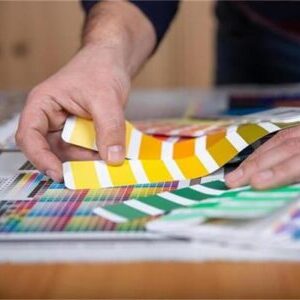
1.Same materials /ink batch
2.Same printing machines & crew
3.Same finishing (lamination/coating)
4.Identical inspection tools + standards
5. Smart color choices (e.g., black + embossed logo)