
Matte and Gloss Lamination for Paper Bags: A Buyer’s Guide
You approved the artwork, the factory photos looked perfect, and then the first 5,000 bags landed with scuffed logos and fingerprint-smudged black stock. The finish you skipped in the rush, matte and gloss lamination, is the difference between a bag that looks premium on the shelf and one that looks tired after a day in the store. This buyer’s guide breaks down lamination paper bags: what the film actually does, how matte laminate and gloss laminate compare on look, feel, and durability, and when a water-based coating or no finish at all is the smarter call for a custom order.
Key Takeaways
- Lamination is a thin BOPP film glued over the printed surface, it adds print protection, water resistance, and a chosen sheen, but it also adds cost and hurts recyclability.
- Matte laminate hides fingerprints and reads premium; gloss laminate boosts color pop and scratch resistance but shows smudges on dark stock.
- Soft-touch lamination is a velvety premium variant that costs roughly $0.04–$0.06 more per bag than standard film.
- Water-based coating and varnish are the recyclable alternative when eco claims matter more than maximum durability.
- Lamination is a separate finishing step that adds 1–3 days to lead time and must be confirmed on a pre-production sample.
- Start from our complete guide to custom printed paper bags to see where the finish fits in the full spec.
Do You Even Need Lamination?
Before comparing finishes, ask whether your bag needs a film at all. Lamination is not free, it adds roughly $0.03–$0.08 per bag and a separate production step, so the first decision is “laminate or not.”
Lamination earns its place when the bag is handled heavily, shipped loose, displayed in a high-touch retail environment, or carries dense full-bleed print that would scuff or rub off. The film is a physical barrier: it locks the ink to the paper (print protection), resists water and dirt, and gives the surface a consistent sheen. For a promotional giveaway used once, skipping it is often correct. For a retail shopping bag that represents your brand for weeks, it is usually worth it.
The honest trade-off: a laminated bag is tougher and better looking for longer, but it is a paper-plastic composite that is harder to recycle and costs more. If your brief leads with sustainability, read up on FSC certified paper bags before committing to film, because fiber certification and a plastic laminate pull in opposite directions.
What Is Lamination, Exactly?
Lamination in paper-bag finishing means a thin plastic film, almost always BOPP film (biaxially oriented polypropylene), is glued onto the printed sheet and bonded with heat and pressure. Typical film gauges run 12–25 microns. The process happens after printing and before handle fitting: the sheet is printed, dried, run through a laminator where adhesive (usually water-based, sometimes solvent-based) transfers the film, then the combined web is cured.
A few facts buyers miss:
- It is a composite. Paper plus polypropylene film cannot go into the normal paper recycling stream as-is. That is the central sustainability caveat behind recyclability lamination claims.
- It changes the finish, not the print. The ink sits under the film, so color is protected but its surface character, matte, gloss, or soft-touch, is decided by the film, not the ink.
- It interacts with the print method. A gloss laminate amplifies offset color; a matte laminate can mute it. Your finish and your print should be specified together. Not sure how lamination affects your print method? See our printing methods guide.
Matte Laminate: Look, Feel, and Best Use
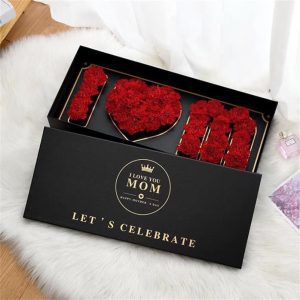
A matte laminate gives a flat, non-reflective surface with a soft, sophisticated feel and texture. Colors read slightly deeper and less “shiny,” which is why cosmetics, premium apparel, and gift brands favor it.
Strengths: Matte hides fingerprints and scuffs better than gloss, so dark and mid-tone bags stay clean-looking in the store. It reads as understated and premium rather than loud. It also photographs well under flash without hotspots.
Weaknesses: It can slightly mute vibrant brand colors compared with gloss, and the flat surface shows rub marks if the film itself is scratched (though far less than gloss shows fingerprints). It costs about the same as gloss at volume.
Best for: Premium retail, cosmetics, fashion, and any bag where a subtle, high-end impression matters more than maximum shelf pop.
Gloss Laminate: Look, Feel, and Best Use
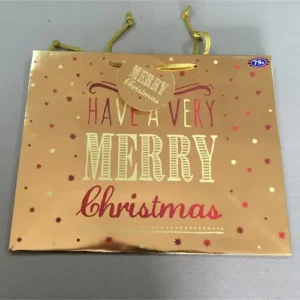
A gloss laminate produces a shiny, reflective surface that makes colors look more saturated and “wet.” It is the default for promotional, food-adjacent, and high-energy retail bags.
Strengths: Gloss delivers the highest color vibrancy and a strong scratch resistance on the surface film. It is usually the cheapest lamination option per bag and reads as bright and cheerful.
Weaknesses: It shows fingerprints, dust, and fine scratches most visibly, especially on black or dark bags under retail lighting. The shiny look can read as “mass-market” for luxury brands.
Best for: Promotional bags, trade shows, food and beverage carry, and any design where color impact and budget beat subtlety.
“Switching our 8,000 cosmetic bags from gloss to matte soft-touch added $0.05/bag but cut returns from scuffed packaging by 30%.”, Priya, founder of a Mumbai beauty brand, April 2025
Soft-Touch Lamination: The Premium Variant
Soft-touch lamination is a special matte film with a velvety, almost rubberized hand-feel. It is the most tactile of the finishes and signals luxury the moment a customer picks up the bag. It typically adds about $0.04–$0.06 per bag over a standard matte laminate, putting it at roughly $0.07–$0.12 extra versus an unlaminated bag at mid volume.
The trade-off is price and a slightly more delicate surface: the soft coating can show oil from hands and, like matte, reveals rub marks if the film is breached. Use it where the unboxing feel is part of the brand, premium cosmetics, jewelry, and gift editions. If budget is tight, a standard matte laminate captures much of the premium look at lower cost.
Water-Based Coating and Varnish: The Eco Alternative
If your priority is recyclability rather than maximum durability, ask about a water-based coating (aqueous coating) or varnish instead of film lamination. These are liquid coatings, often acrylic or starch-based, applied like ink and cured, rather than a glued plastic sheet.
Why buyers choose it: A water-based coating is usually repulpable, so the bag stays in the normal paper recycling stream. It still adds a layer of print protection and can be matte, satin, or gloss in finish. It costs a little less than BOPP film and avoids the composite problem entirely.
The catch: It is less durable. Scratch resistance and water resistance are lower than film lamination, and it will not give you the deep gloss or the velvet soft-touch feel. For a bag that is carried once or handled gently, it is the greener and often cheaper choice. Pair the decision with the right substrate using our GSM guide, because a heavier paper compensates for a thinner coating.
Side-by-Side: Matte and Gloss Lamination
Here is the core comparison buyers actually use on the quotation call.
| Attribute | Matte laminate | Gloss laminate |
|---|---|---|
| Surface sheen | Flat, non-reflective | Shiny, reflective |
| Color vibrancy | Slightly muted, deeper | High pop, saturated |
| Fingerprint resistance | High (hides smudges) | Low (shows on dark stock) |
| Scratch resistance | Medium | High on film surface |
| Feel and texture | Soft, premium | Smooth, slick |
| Best for | Cosmetics, fashion, gifts | Promo, food, high-energy retail |
| Per-bag cost add | $0.03–$0.08 | $0.02–$0.07 (usually lowest) |
| Recyclability | Low (composite) | Low (composite) |
The pattern is consistent: matte wins on restraint and fingerprint resistance, gloss wins on color pop and surface toughness.
Cost: What Lamination Adds Per Bag
Lamination is priced as a finishing step, so the per-bag add falls as volume rises (the laminator setup is spread over more units). Indicative 2025–2026 import ranges for a standard kraft or art-paper bag, excluding paper and handle.
Note soft-touch is shown as the total add; the premium over a standard matte is roughly $0.04–$0.06 per bag. These numbers are decision-useful but not a quote, confirm against your supplier’s actual rate, because film gauge and adhesive type shift the price.
“On our 20,000-unit holiday run, gloss added $0.03/bag versus $0.05 for matte. We saved $400 going gloss, and the brighter color matched the campaign better anyway.”, Tomás, procurement manager at a Lisbon retail chain, November 2025
| Order volume | Matte laminate (add/bag) | Gloss laminate (add/bag) | Soft-touch laminate (add/bag) |
|---|---|---|---|
| 500 | $0.05–$0.09 | $0.05–$0.08 | $0.09–$0.14 |
| 1,000 | $0.04–$0.07 | $0.04–$0.06 | $0.08–$0.12 |
| 5,000 | $0.03–$0.06 | $0.03–$0.05 | $0.07–$0.10 |
| 20,000 | $0.03–$0.05 | $0.03–$0.04 | $0.06–$0.09 |
| 50,000 | $0.02–$0.04 | $0.02–$0.04 | $0.05–$0.08 |
Durability: Scratch, Fingerprint, and Spill Resistance
Durability is where lamination justifies its cost. Here is how the finishes rank on the three failures that actually happen in the field.
| Finish | Scratch resistance | Fingerprint resistance | Water/spill resistance |
|---|---|---|---|
| Matte laminate | Medium | High | High |
| Gloss laminate | High | Low (visible on dark) | High |
| Soft-touch laminate | Medium-High | Very high | High |
| Water-based coating / varnish | Low-Medium | Medium | Medium |
The takeaway: all film laminates protect against water and dirt well. Gloss resists surface scratches best but betrays fingerprints; matte and soft-touch hide fingerprints best. A water-based coating trades some of that protection for recyclability.
Recyclability and Eco Impact
This is the section most supplier decks gloss over. A BOPP-film laminated bag is a paper-plastic composite. In most municipal paper streams it is rejected, because the film must be separated from the fiber, a step standard mills do not run. That is the real meaning behind loose “recyclability lamination” claims.
| Finish | Recyclable in paper stream? | Compostable? | Eco note |
|---|---|---|---|
| Uncoated (no finish) | Yes | Often | Best option |
| Water-based coating / varnish | Usually yes (repulpable) | Sometimes | Good middle ground |
| Matte / gloss BOPP laminate | No (composite) | No | Needs specialized stream |
| Soft-touch laminate | No (composite) | No | Same as BOPP |
If a retailer demands a recyclable claim, do not take the factory’s word for it. The FSC standard certifies responsible fiber but does not make a plastic-laminated bag recyclable, and self-declared “eco” language should be checked against ISO 14021, which governs environmental claims like “recyclable.” Our manufacturer certification checks explain how to verify what a supplier actually holds.
“Our EU client rejected gloss-laminated bags as ‘not recyclable’ despite the factory’s claim. We moved to a water-based matte coating and kept the look while passing their audit.”, Hanna, sourcing lead at a Berlin promotional agency, February 2026
How to Choose: A Decision Matrix
Match your dominant priority to a finish, then confirm on a sample. This is the filter that prevents most finish regret.
When two rows pull you different ways, say, premium look plus an eco mandate, the water-based coating is usually the compromise, and a heavier paper can recover some of the lost durability.
| If your priority is… | Choose | Because |
|---|---|---|
| Premium, understated look; hide fingerprints | Matte laminate | Mutes sheen, hides smudges |
| Maximum color pop and shelf impact | Gloss laminate | Boosts vibrancy, cheapest film |
| Luxury tactile feel | Soft-touch laminate | Velvety, premium hand-feel |
| Recyclable / eco claim | Water-based coating or no finish | Repulpable, no composite |
| Rough transit or heavy handling | Gloss or matte (either film) | Film barrier protects print |
| Tightest budget | Gloss or skip lamination | Lowest add or none |
Common Mistakes Buyers Make
- Deciding finish after print. Matte can mute a color you tuned for gloss. Specify both together so the proof reflects the real result.
- Assuming “lamination” means recyclable. BOPP film is a composite; verify the claim before repeating it to a retailer.
- Chasing the lowest add and ignoring fingerprints. A $0.01 saving on gloss turns into smudged black bags on the shelf.
- Skipping the sample of both finishes. Photographs lie about sheen; you must feel matte vs gloss in hand.
- Forgetting the handle and size. A soft-touch luxury finish on a flimsy handle or wrong proportion wastes the effect, align it with the right handle type and standard sizes.
When to Request a Pre-Production Sample
Order a pre-production sample (PPS) whenever the finish is part of the brand impression, which is almost always with lamination. The PPS should show your exact paper, print, chosen film (matte / gloss / soft-touch), and one fitted handle, so you can judge sheen, feel and texture, and fingerprint resistance under real store lighting before the full run. This is the single cheapest way to avoid a 10,000-bag finish regret.
Lamination also adds a step to the calendar. Build it into the schedule using our manufacturer lead time notes, film lamination typically adds 1–3 days after printing. And check the finished sample against our quality control checklist for delamination, bubbling, and misregistered film.
If sustainability is part of the brief, confirm the substrate and finish through FSC certification and the manufacturer certification checks, since the laminate directly affects recyclability. For choosing a partner who can run the finish you need cleanly, see our guide to reliable paper bag manufacturers in China and the top 10 questions for your paper bag supplier to pressure-test finish and lead-time claims.

-
1. What is the difference between matte and gloss lamination?
Matte laminate gives a flat, non-reflective, premium surface that hides fingerprints and scuffs well, while gloss laminate gives a shiny, reflective surface that boosts color vibrancy and scratch resistance on the film but shows fingerprints on dark stock. Both use a BOPP film for print protection; only the film’s surface character differs.
-
2. Does lamination make paper bags more durable?
Yes. A laminated bag resists water, dirt, and rubbing far better than an uncoated or varnished one, because the ink is sealed under a plastic film. This protects the print through shipping and shelf handling. The trade-off is recyclability, since the film makes the bag a paper-plastic composite.
-
3. Is matte or gloss better for hiding fingerprints?
Matte is clearly better for hiding fingerprints and fine dust, which is why it is preferred for dark and premium bags. Gloss shows fingerprints and scratches most visibly, especially on black or saturated colors under retail lighting. Soft-touch laminate hides fingerprints even better than standard matte.
-
4. Is laminated paper recyclable?
Usually not in the standard paper stream. BOPP-film lamination creates a paper-plastic composite that most municipal recyclers reject because the film is not separated from the fiber. If recyclability is required, choose a water-based coating or no finish, and verify any “recyclable” claim against a standard such as ISO 14021 rather than the supplier’s wording.
-
5. How much does lamination add to the cost per bag?
Indicatively, standard matte or gloss lamination adds about $0.03–$0.08 per bag, with the cost falling as volume rises, around $0.02–$0.04 at 50,000 units. Soft-touch laminate adds roughly $0.04–$0.06 more per bag than standard film, putting it near $0.05–$0.12 extra at volume. Confirm against your factory’s actual quote. -
6. Should I request a sample before laminating a full order?
Yes. Always order a pre-production sample that shows your exact paper, print, and chosen film, and check the sheen and feel under real lighting. Lamination is hard to judge from a screen or photo, and the finish interacts with your print colors.
Conclusion
Matte and gloss lamination is not a trivial finish tick-box, it decides how your bag looks on the shelf, how it survives handling, what it costs per unit, and whether you can make a recyclability claim at all. Choose gloss for maximum color pop and the lowest film cost, matte for a premium look that hides fingerprints, soft-touch for a luxury velvet feel when budget allows, and a water-based coating when eco mandates beat maximum durability. Specify the finish together with your print method, build the extra lead time into your calendar, and prove the result on a pre-production sample before the container sails. The right laminate is the one that matches your brand’s priority, not the one the sales rep lists first.
Ready to spec the full bag? Start from our complete guide to custom printed paper bags, then use our guide to choosing a reliable paper bag manufacturer in China to find a partner who can run your finish cleanly and on time.

ALLEN LEE
Hi, I’m Allen Lee, the owner of Allenboxes.com, I’ve been in the packaging industry for over 20 years and running a factory in China that produce for 10+ years, and the purpose of this article is to share with you the knowledge related to packaging from a Chinese supplier’s perspective.


3 Steps to Save Shipping costs
Step 1: Use foldable boxes instead of two-piece rigid boxes.
Step 2: Customize to a smaller box. And Order early to use economy ocean freight instead of air.
Step 3: Select Door to door service include all taxes and freight.
Why Your Quote Jumped After the Factory Reviewed Your Artwork
Your quote can jump after artwork review. Learn how bleed, spot colour, foil and die-cuts change price, and how to lock a file-reviewed quote before approval.
5 tips about Materials of Paper Boxes
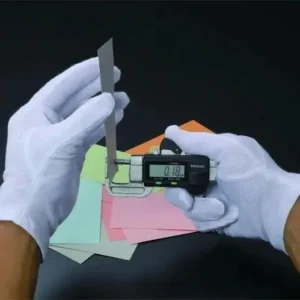
1.Measure thickness of raw material
2.Cut a 10x10cm sheet
3.Measure paper weight
4.Measure paper thickness
5.Check standard weight-thickness tables
12 Common Box Inserts Introduction
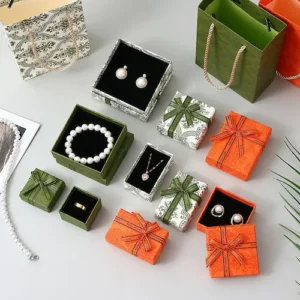
1.Sponge (with velvet or paper)2.EVA Foam 3.Pearl cotton (EPE)
4.Paper Cardboard 5.Corrugated Paper 6.Plastic Blister
7.Tissue Paper 8.Raffia Filler9.Bubble Beads
10.Satin Fabric,11.Small Pouches 12.Mini Pillows
6 steps to customize paper boxes
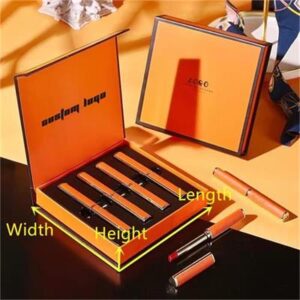
1. Design Box style, Colors, Logos.
2. Meet the budget.
3. Revisions & Prototyping
4. Final Approval & Refinement
5. Small-Batch Testing
6. Mass Production
How to control color discrepancy of paper boxes
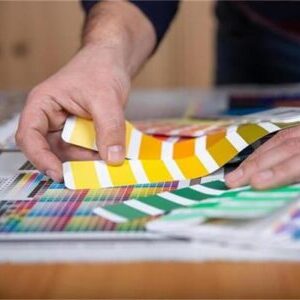
1.Same materials /ink batch
2.Same printing machines & crew
3.Same finishing (lamination/coating)
4.Identical inspection tools + standards
5. Smart color choices (e.g., black + embossed logo)